Japanese tea flavor notes and understand where the flavor comes from.
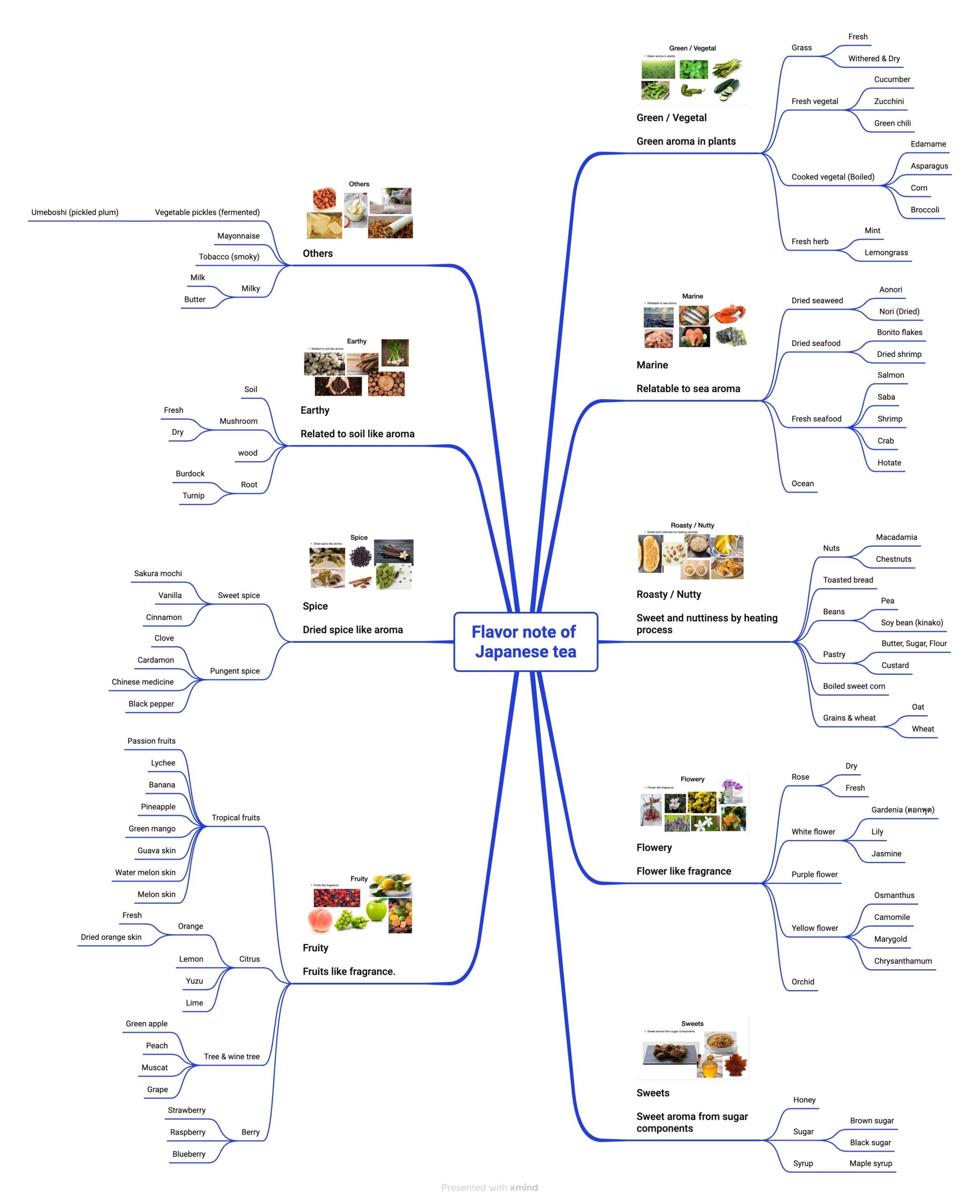
Flavor notes are vocabularies for communication among people in tea industry.
If you understand the background information why the flavor comes from, you can utilize the flavor notes effectively.
Flavor notes of Japanese tea
Most of Japanese tea flavors are categorized into them.
–Green/Vegetal
–Marine
–Roasty/Nutty
–Flowery
–Sweets
–Fruity
–Spicy
–Earthy
–Others
In this article Japanese tea is defined as tea produced in Japan.
Therefore it includes from non-oxidized green tea to fully oxidized tea (black tea).
Tendency of flavors
Tea flavors do not come out randomly.
There are always reasons behind.
If you know the cultivation and tea processing, you can explain why it happened.
緑の香り Green flavors
Most of Japanese green tea has green aromas.
It’s steamed green tea which made by stop enzyme activity without oxidation.
Examples
-煎茶 Sencha
-深蒸し茶 Fukamushi cha
-抹茶 Matcha
They are categorized into steamed green tea.
So more or less there is green aromas.
But the types of green are different depends on tea types, harvest timing etc.
If shaded before picking tea leaves and steam more than enough, less fresh green and more vegetal aromas.
If harvest timing is late, more dried glassy, old leaf aromas.
覆い香 Ooika (Shaded aromas)
Shading techniques are uniquely invented in Japan around 400 years ago.
People noticed that by shading trees before harvest the color is more beautiful, more umami, less bitter.
Shaded tea has distinguishing aromas called 覆い香 Ooika, which reminds of dried seaweed.
Examples
-かぶせ茶 Kabuse cha
-玉露 Gyokuro
-抹茶 Matcha
Difference of Sencha, Kabusecha and Gyokuro are length of shading.
Longer shading tends to have stronger shaded aromas.
In some areas like Fukuoka, Kagoshima even sencha is shaded shortly for better quality.
火香 Hika (Firing aromas)
Firing aromas are flavors related to Maillard reaction.
It happens by heating amino acids and sugars.
Creating the complex aromas like nutty, roasty, even floral aromas.
The types of aromas are depending on the components of materials, temperature.
If heating too high, it turns to be burned, smoky aromas.
Examples
-釜炒り茶 Kamairi cha
-抹茶 Matcha
-焙じ茶 Houji cha
If there’s any heating process in tea making, firing aromas possibly happen.
For example sencha from Fukuoka tends to have stronger firing aroma because of dehydration with relatively higher temperature.
Matcha has complex nutty, roasty, sweet, seaweed aromas because the leaf contains rich amino acids and passing てん茶炉 tencha ro (oven with conveyor belt).
Dehydration process and grinding with stone mill can contribute for another firing aromas.
Houji cha is made by roasting finished tea which has roasty to smoky aromas depending on the roasting levels.
酸化の香り Oxidized aromas
Specialty of Japanese tea is non-oxidized green tea.
However as a new trends some producer are making oxidized tea like oolong, black tea.
Japanese black tea is called 和紅茶 Wakoucha, which is made of Japanese cultivar and has mild and unique aromas.
Examples
-釜炒り茶 Kamairi cha
-烏龍茶 Oolong tea
-和紅茶 Wakoucha
The aromas are changing by oxidation levels.
If lighter oxidation, it white floral aromas like jasmine.
Promoting more oxidation, it’s getting to be fruity.
Even deeper, it’s more complex like dried fruits, rose, spice.
The tea producer stop the timing of oxidation by pan firing to fix the aromas.
Choosing right cultivar is another important factor for quality oxidized tea.
Generally speaking the tea leaf with rich polyphenol and catechin tends to create nice and complex aromas by oxidation.
発酵の香り Fermented aromas
Fermented aromas are found in some types of 番茶 Bancha.
It’s upcountry style tea and there are 2 types of fermentation in tea processing.
-Aerobic fermentation (with oxygen)
-Unaerobit fermentation (without oxygen)
Generally fermented tea has specific sour aromas like vegetable pickles (lactic fermentation).
Examples
-碁石茶 Goishi cha
-阿波番茶 Awa bancha
-石鎚黒茶 Ishizuchi kuro cha
Depending on areas the processing is different.
Goishicha is made by both aerobic and unaerobic fermentation.
Awa bancha is made by unaerobic fermentation.
Green / Vegetal
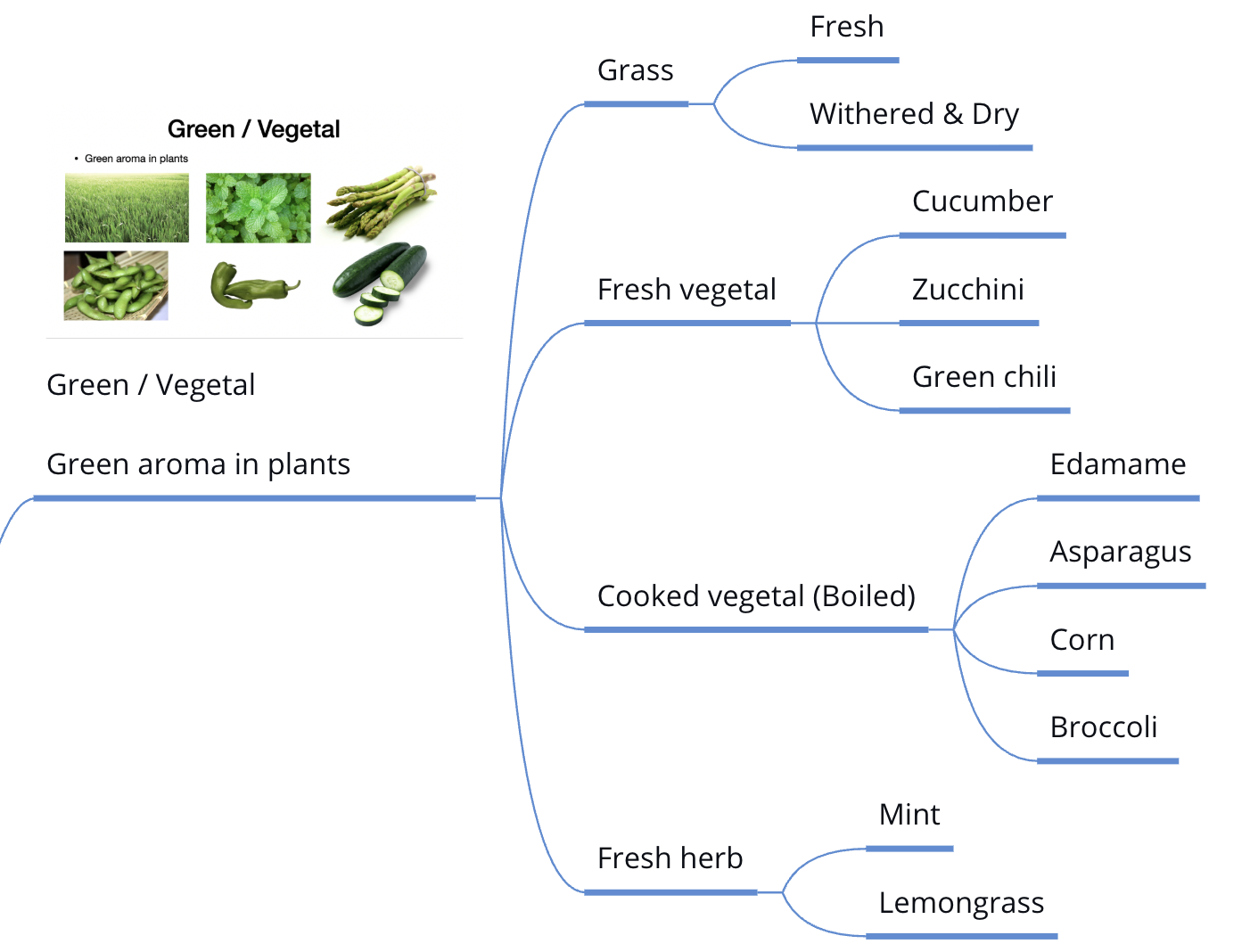
Grass
-Fresh grass
-Withered & dry grass
Fresh vegetal
-Cucumber
-Zucchini
-Green chili
Cooked vegetal (boiled)
-Edamame
-Asparagus
-Corn
-Broccoli
Fresh herb
-Mint
-Lemongrass
Marine
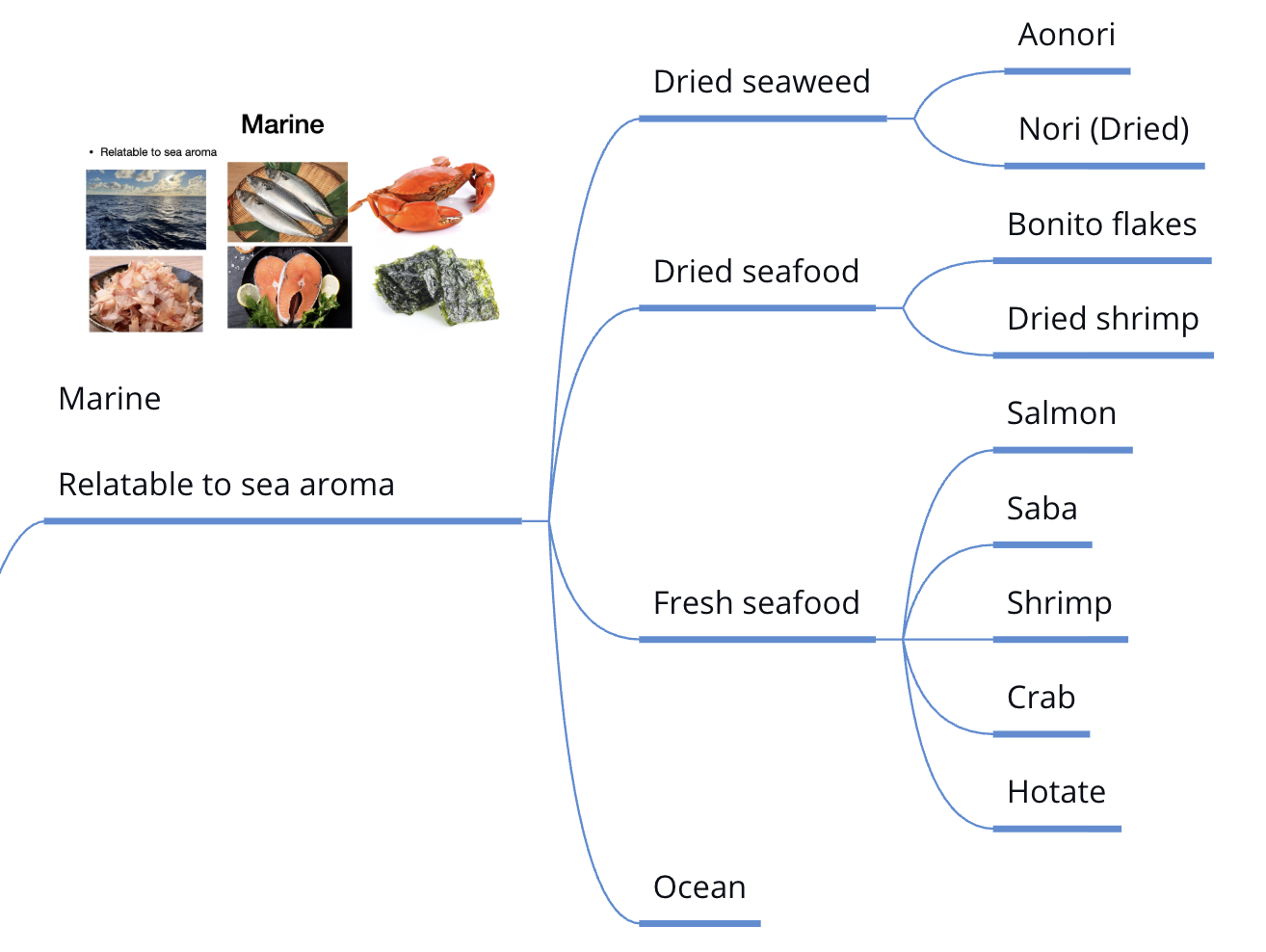
Dried seaweed
-Aonori
-Nori (dried)
Dried seafood
-Bonito flakes
-Dried shrimp
Fresh seafood
-Salmon
-Saba
-Shrimp
-Crab
-Hotate
Ocean
Roasty/Nutty
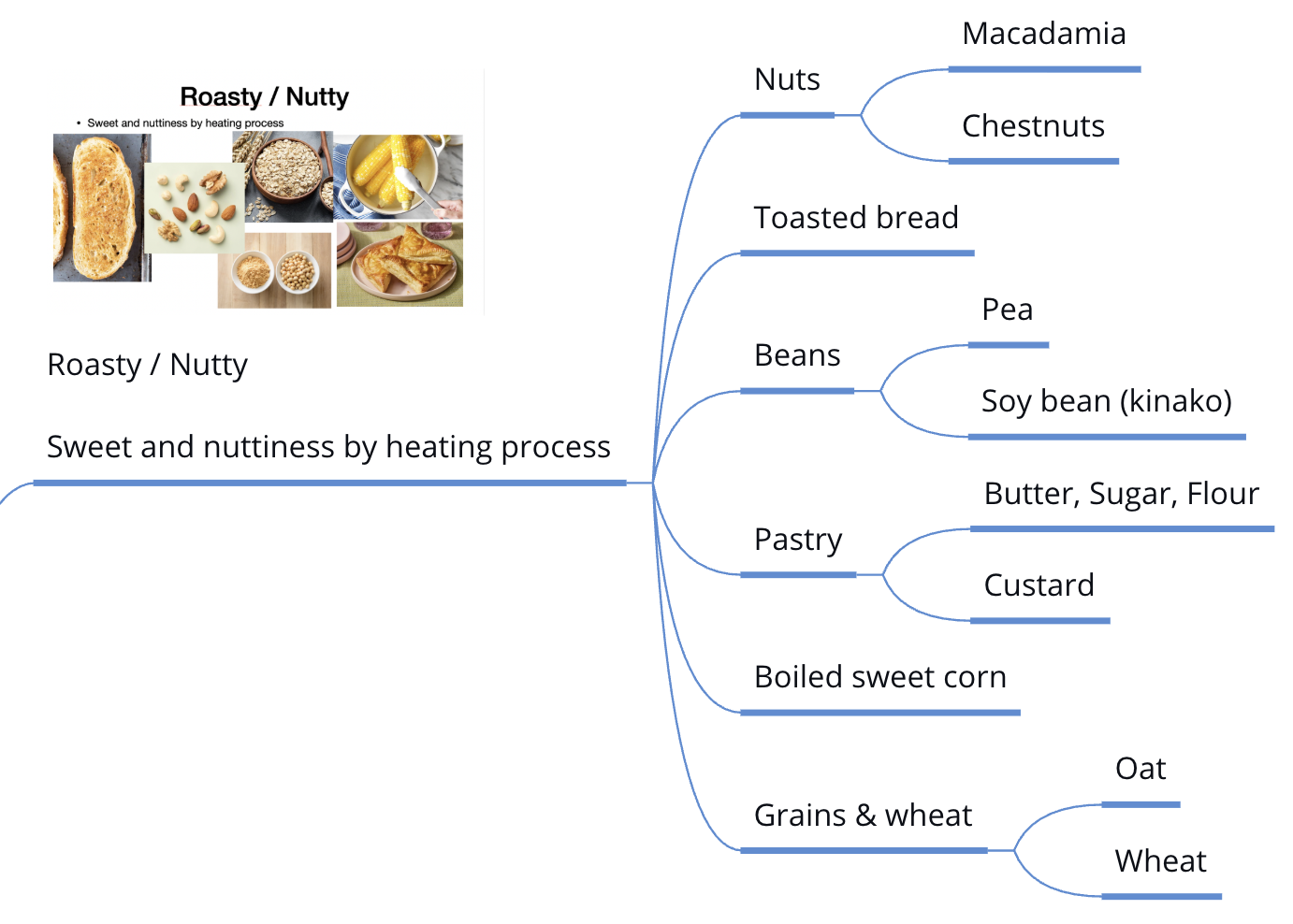
Nuts
-Macadamia
-Chestnuts
Toasted bread
Beans
-Pea
-Soy bean (kinako)
Pastry
-Butter, sugar, flour
-Custard
Boiled sweet corn
Grain & Wheat
-Oat
-Wheat
Flowery
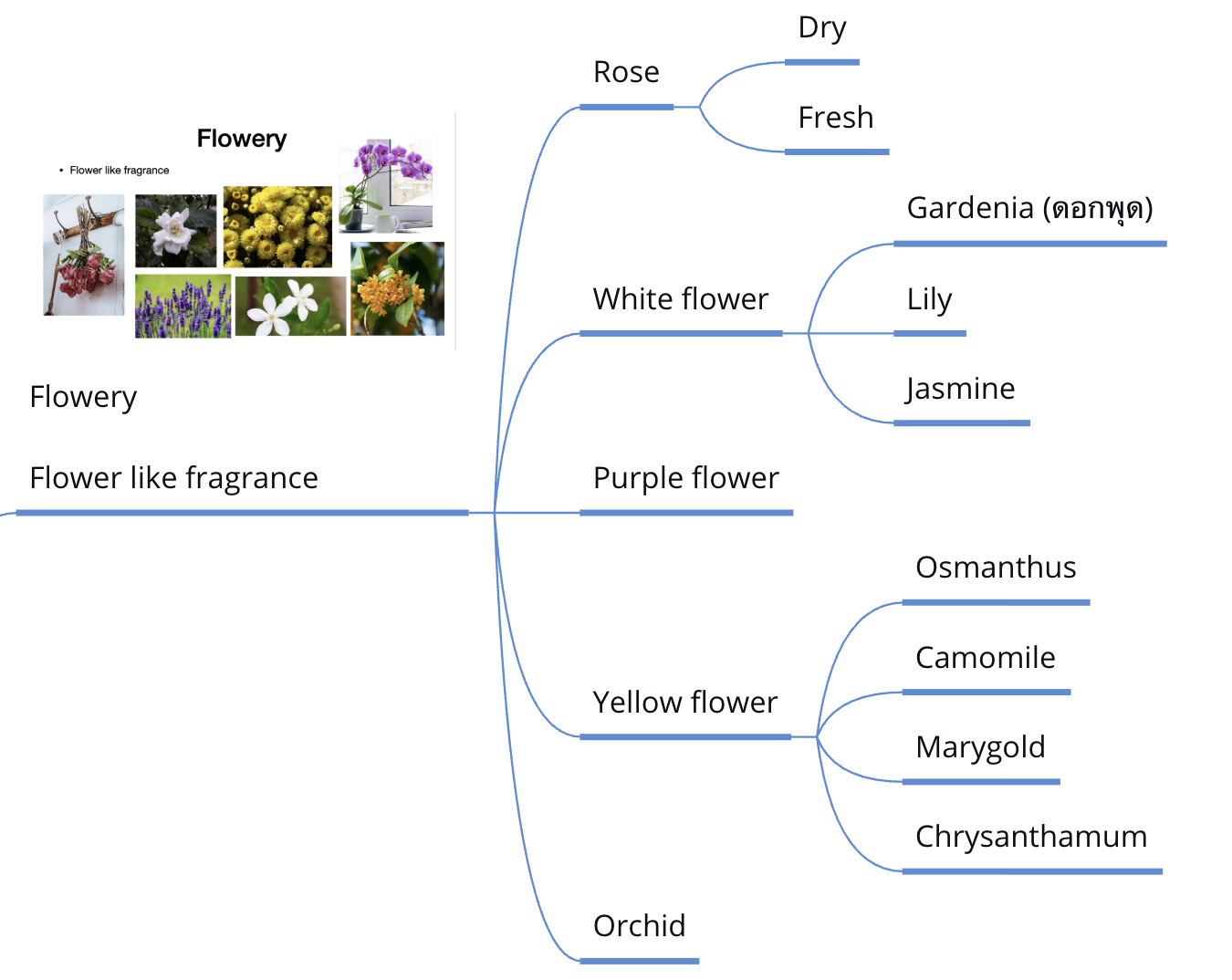
Rose
-Dry
-Fresh
White flower
-Gardenia
-Lily
-Jasmine
Purple flower
Yellow flower
-Osmanthus
-Camomile
-Marygold
-Crysanthamun
Orchid
Sweets
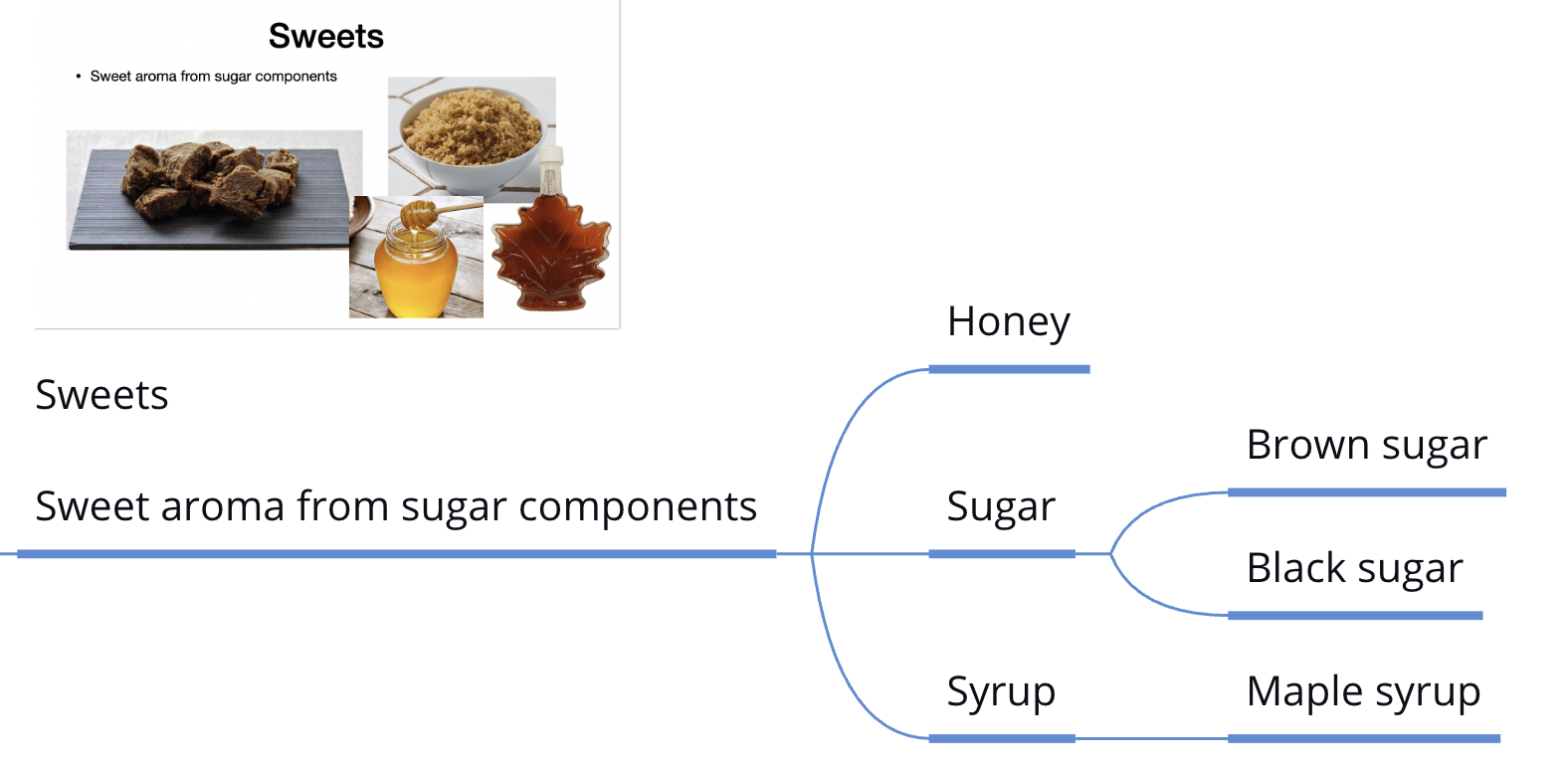
Honey
Sugar
-Brown sugar
-Black sugar
Syrup
-Maple syrup
Return to index ↑
Fruity
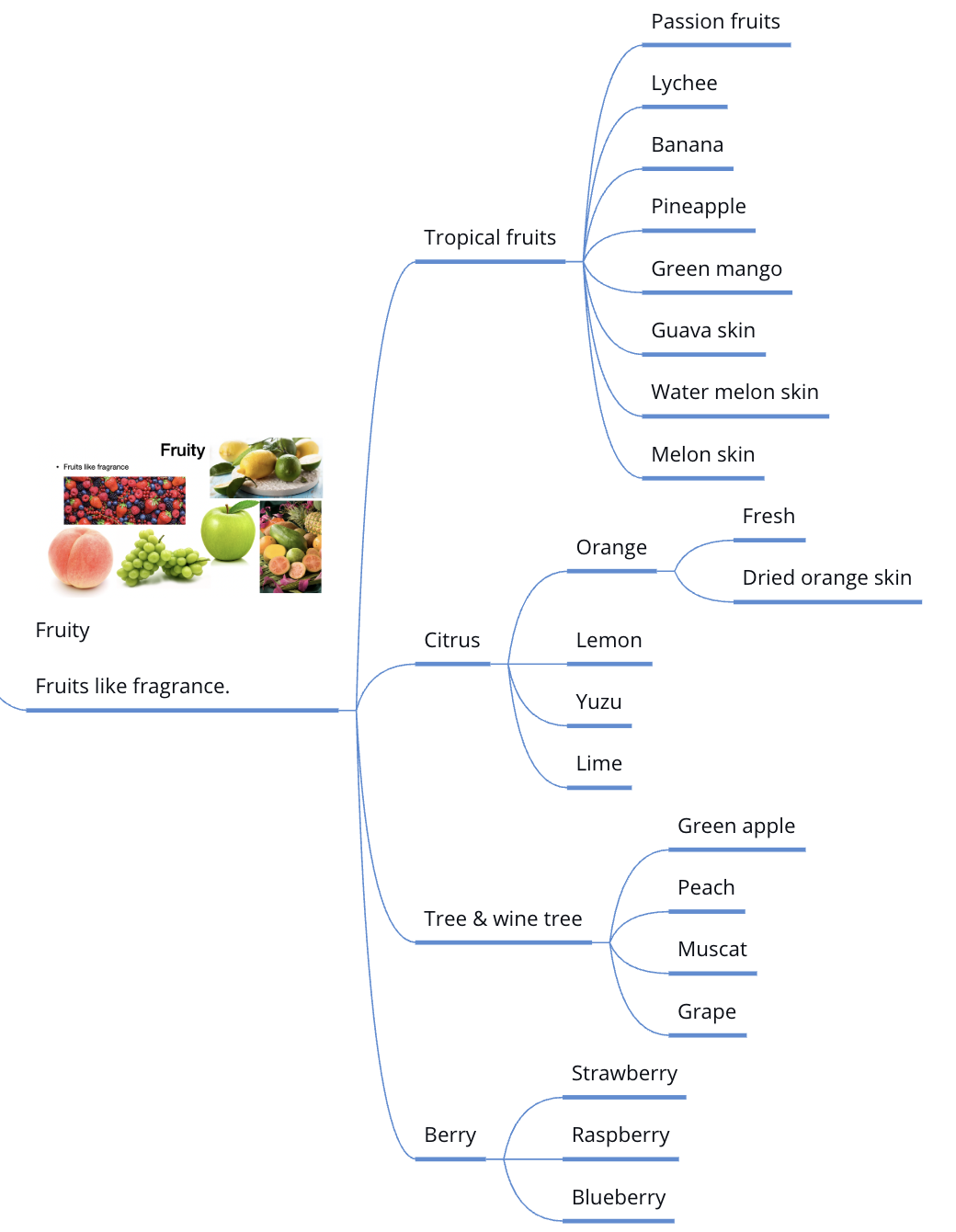
Tropical fruits
-Passion fruits
-Lychee
-Banana
-Pineapple
-Green mango
-Guava skin
-Watermelon skin
-Melon skin
Citrus
-Orange (fresh / dry)
-Lemnon
-Yuzu
-Lime
Tree & wine tree
-Green apple
-Peach
-Muscat
-Grape
Berry
-Strawberry
-Rasberry
-Blueberry
Spicy
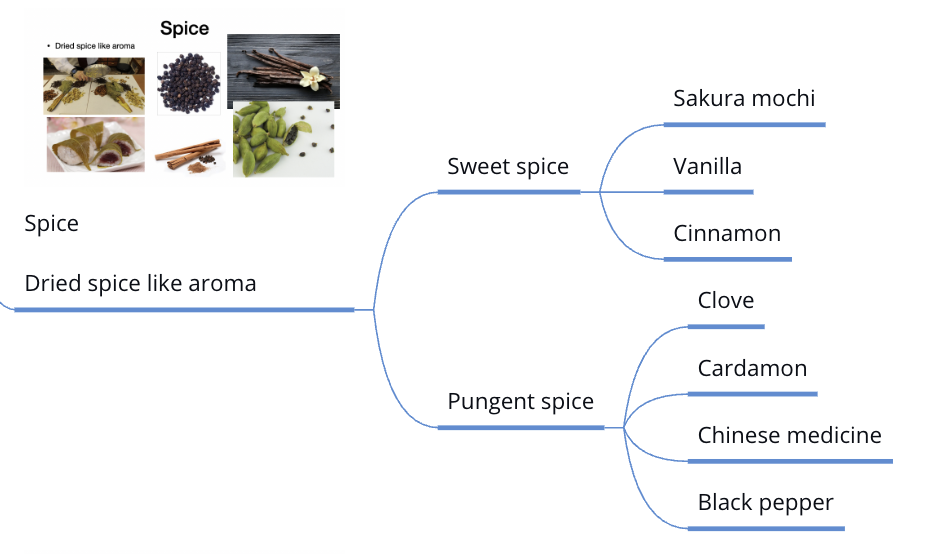
Sweet spice
-Sakura mochi
-Vanilla
-Cinnamon
Pungent spice
-Clove
-Cardamon
-Chinese medicine
-Black pepper
Earthy
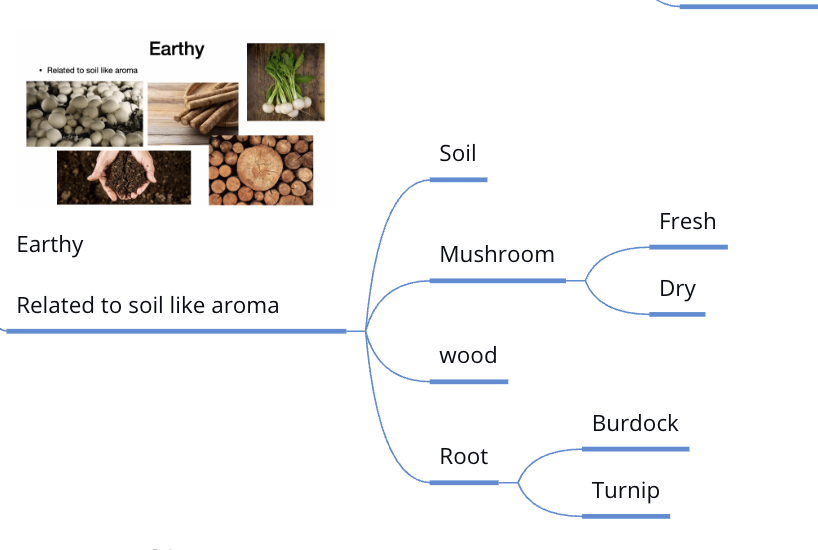
Soil
Mushroom
-Fresh
-Dry
Wood
Root
-Burdok
-Turnip
Others
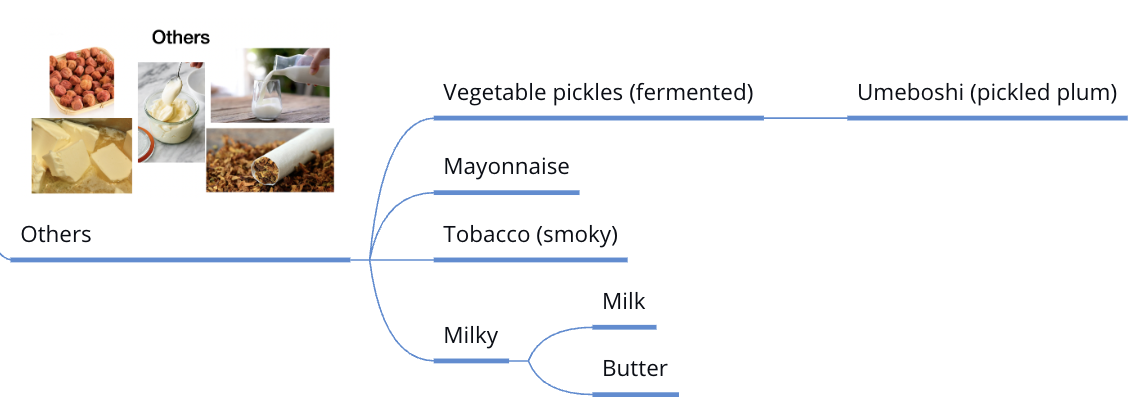
Vegetable pickles (fermented)
-Umeboshi (pickled plum)
Mayonnaise
Tobacco (smoky)
Milky
-Milk
-Butter
Stereotypical flavors by Japanese tea types
Since Japanese tea is specialized for non-oxidized steam green tea the main flavors are Green and Vegetal.
Depending on the tea processing style level of firing is different, which contribute to nutty, roasty aromas.
For well fertilized and shaded tea has seaweed aroma and umami.
Floral and fruity aromas are not so common except oxidized tea.
If you find floral aroma in steamed green tea like sencha, it’s because of cultivar which has floral aroma or the leaf is withered which can be defect.
Pick up products
Matcha for Latte & Sweets

Matcha made by top craft producer "Tsujiki"

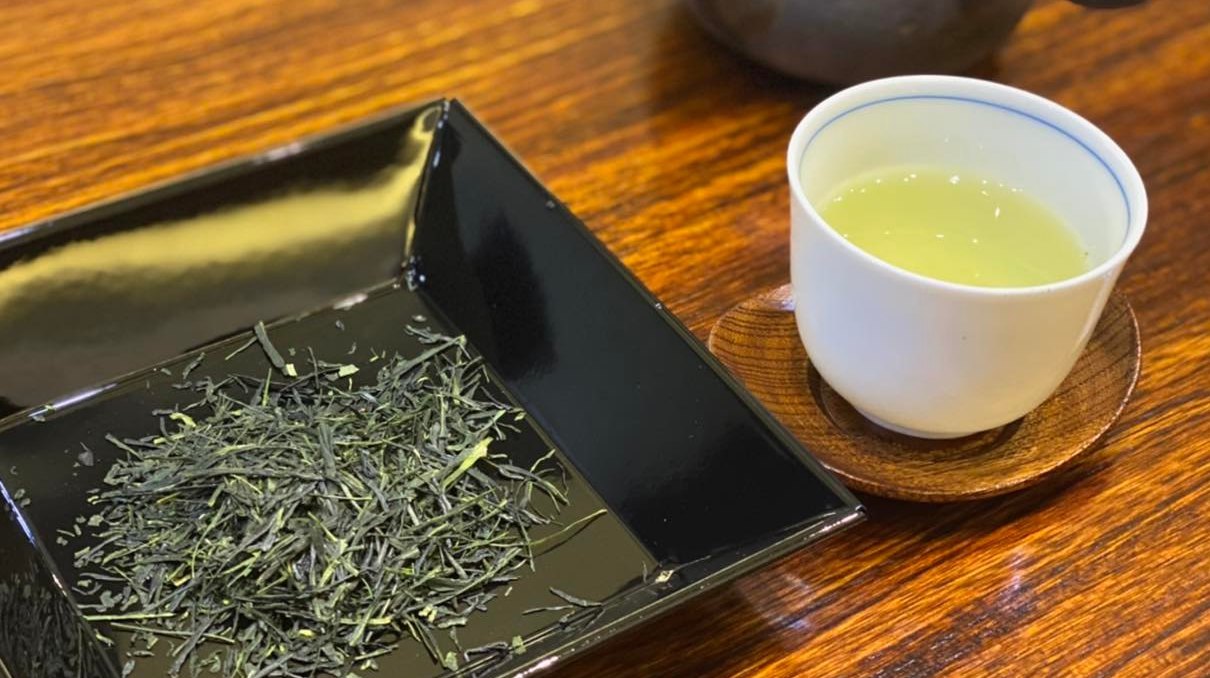
"Sencha" Signature Japanese tea with unique green aromas
For all products you can check on LINE shop.

Contact for the latest updates
There are more special products about Japanese tea and matcha. Feel free contact us.