
Matcha Quality Standard: 8 important points to check before buying.
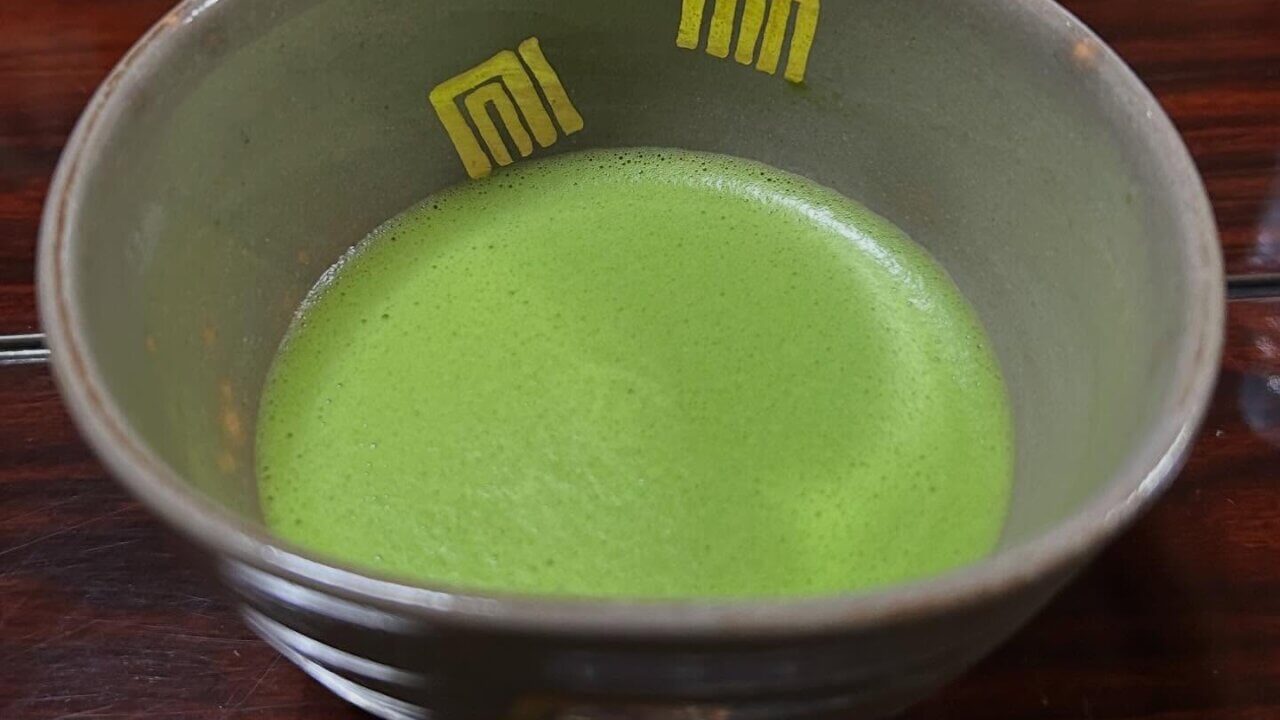
We provide information so that our customers can choose the right products.
The most ideal way is to improve the skills for cupping for the quality evaluation.
But even without tasting you can guess the quality.
There are several points we see before buying teas.
It’ll be helpful for you to choose quality products.
1. Area
It’s where the tea produced.
Depending on the location there are tendencies of cultivation and processing.
京都 Kyoto
Traditionally famous for quality matcha production especially around 宇治 Uji.
Before matcha boom all over the world matcha drinkers were mainly around Kyoto who learn tea ceremony or tourists.
In the competition majority of award winners are from Kyoto.
They are serious for quality than quantity.
Rich umami, seaweed aromas (覆い香 Ooika) are signal of quality matcha.
愛知 Aichi
Aichi has relatively longer history for matcha production around 150 years.
Since they focus on affordable matcha, mainly sold as latte, culinary grade.
福岡 Fukuoka
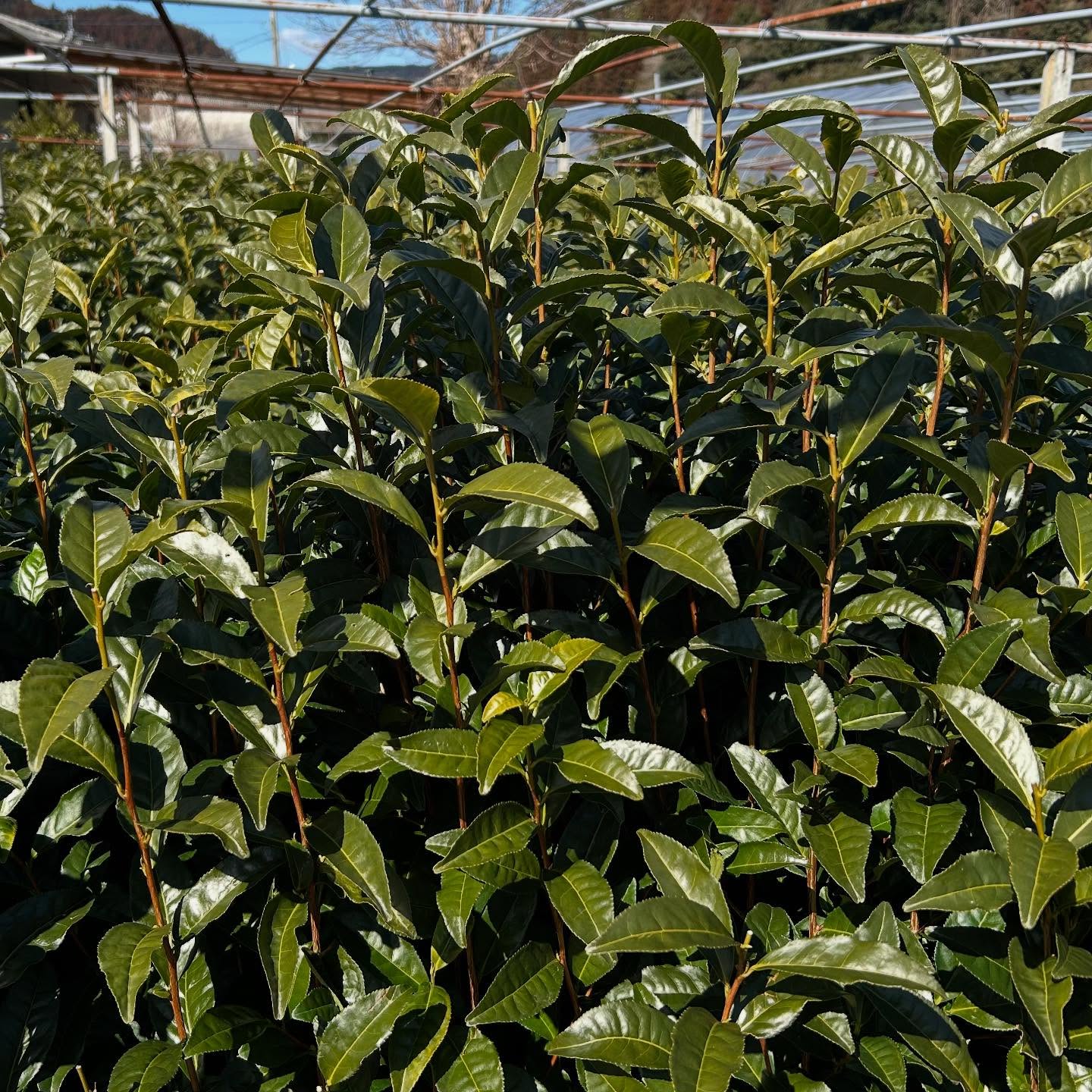
八女 Yame matcha is famous in global market because of strong roasty, nutty flavors.
It’s character of processing around the areas.
鹿児島 Kagoshima
One of the largest tea production areas in Japan.
With latest technology of farming and processing, they are producing large quantity of matcha.
The flavor is similar as Yame matcha, which has strong roasty, nutty.
静岡 Shizuoka
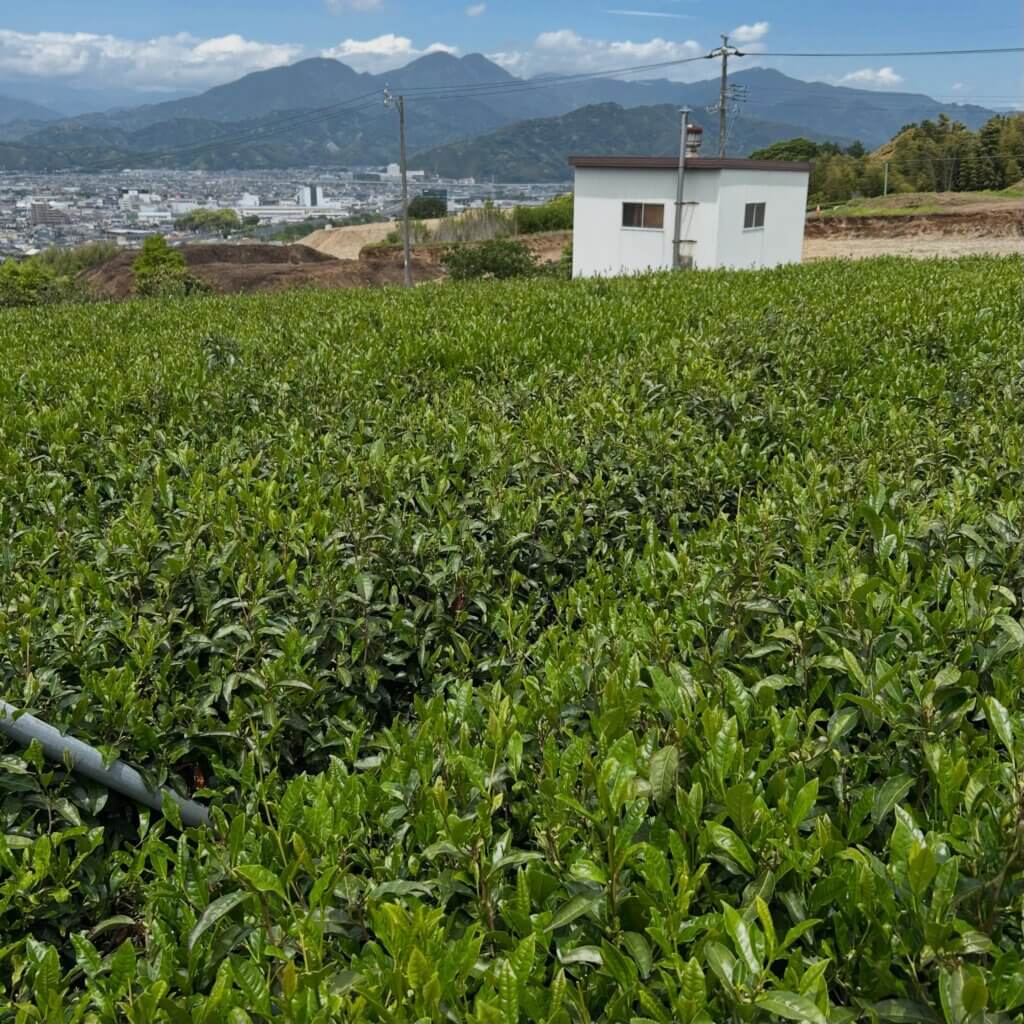 Used to be the largest tea plantation.
Slowly switching from leaf tea to matcha production.
The quality is still under developed but better to see the developments in near future.
2. Cultivar
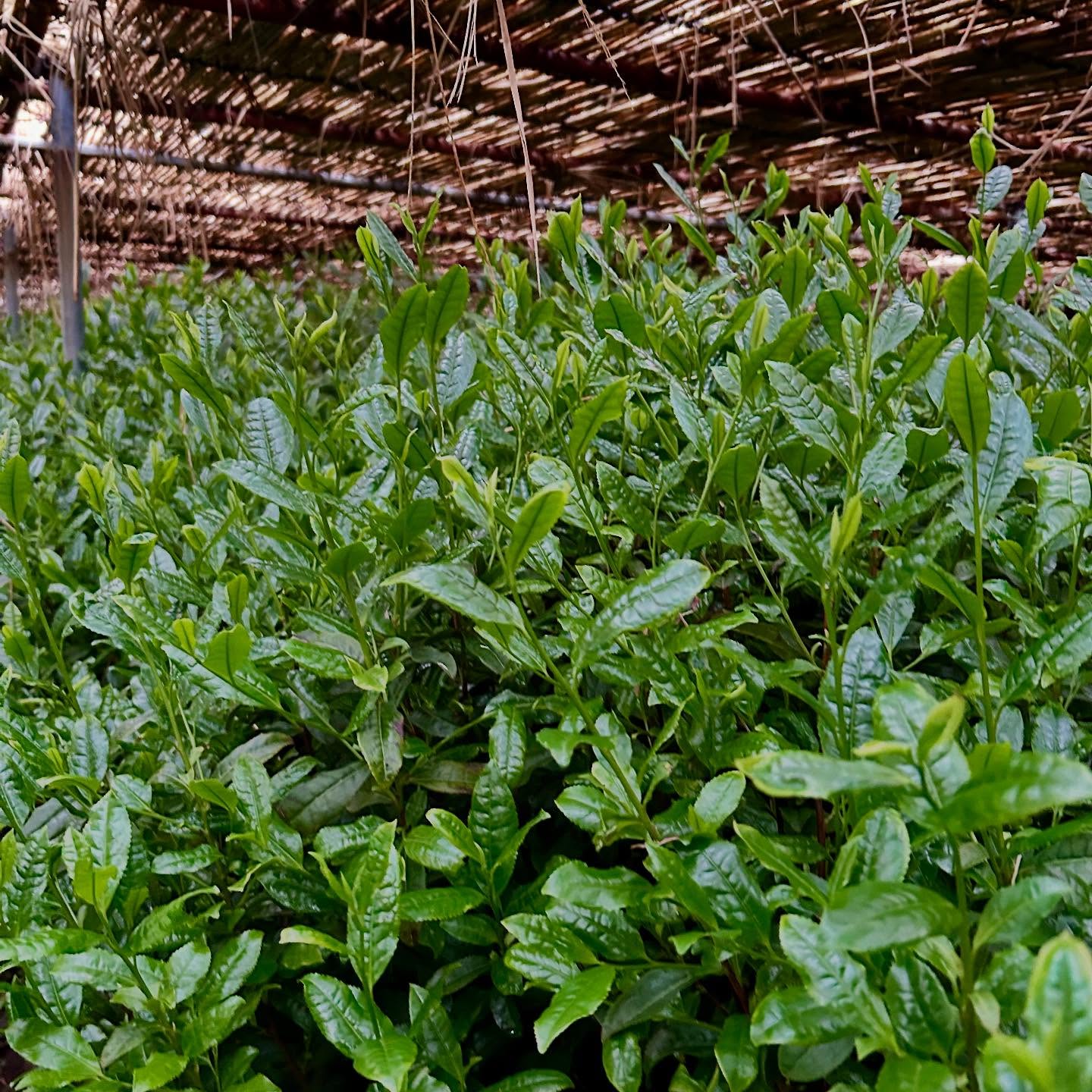
宇治品種 Uji cultivars are specialized for quality matcha.
They accumulate umami well, the colors are beautiful deep green and 覆い香 Ooika is strong after shaded.
Famous Uji cultivars are
-Asahi
-Uji hikari
-Gokou
-Samidori etc.
There are other cultivars are used for matcha.
Umami might not be as strong as Uji cultivars but some customers like because the taste is mild.
For example,
-Saemidori
-Okumidori
-Kirari 31
-Yabukita etc.
Yabukita is originally for 煎茶 Sencha, Japanese steam green tea.
It’s relatively bitter and astringent but nice accent for blending.
3. 仕立て Shitate methods
There are mainly 2 types of 仕立て shitate.
It’s how to shape the tea trees.
-自然仕立て Shizen jitate
-畝仕立て Une jitate
自然仕立て Shizen jitate
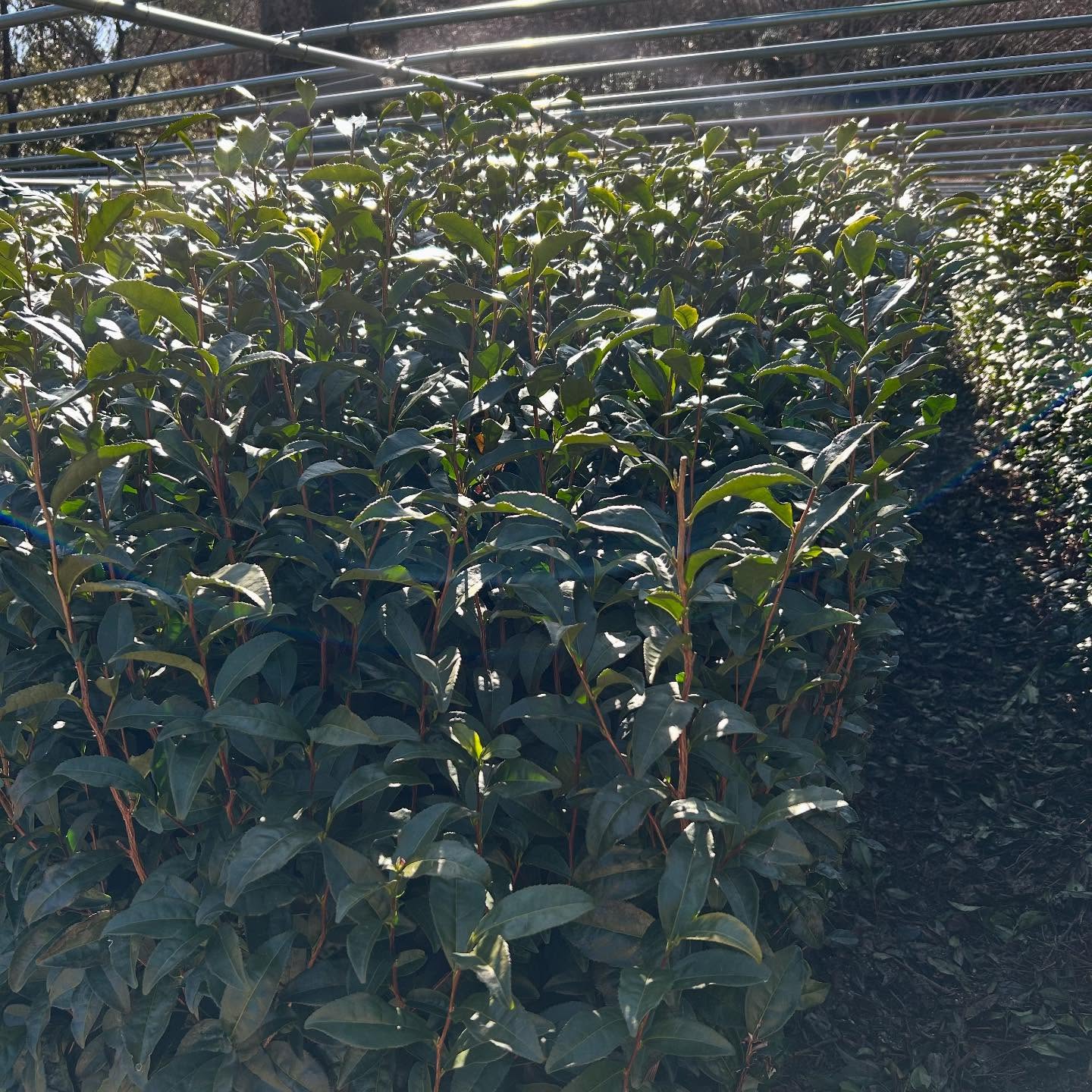
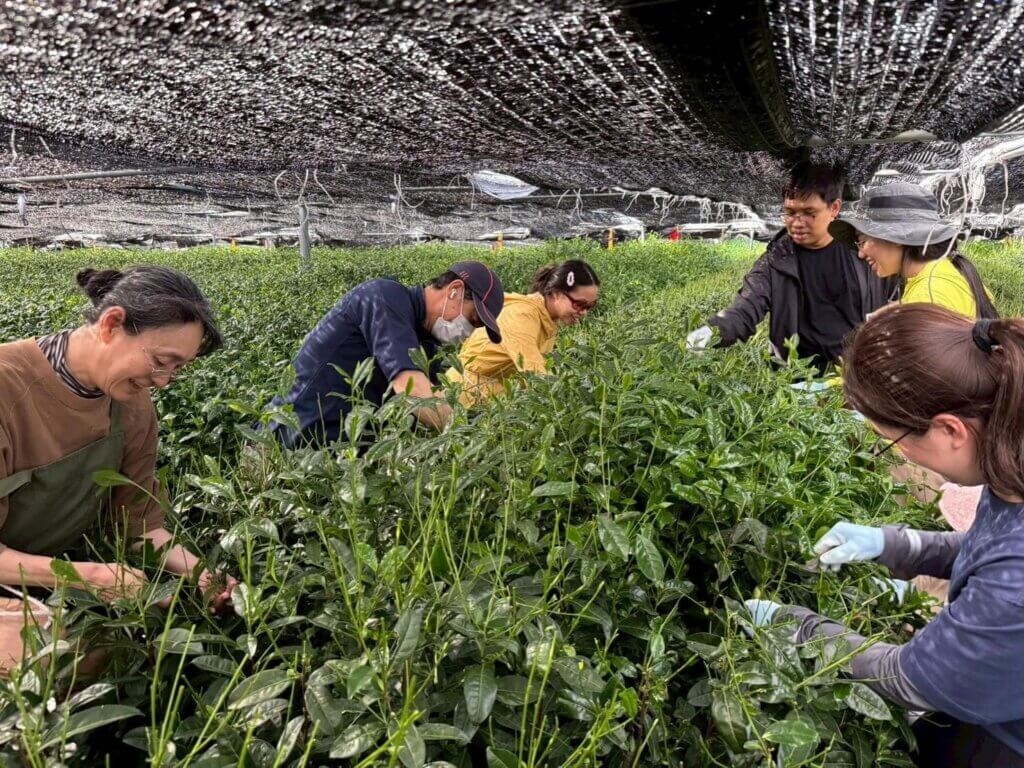
It’s traditional style shaping, which is specialized for hand picking.
The tree grows without losing any waste of nutrition.
Expect to accumulate maximum umami in young buds in the next spring.
Since shizen jitate is less productive and more labor intensive, the producer intends for quality matcha.
畝仕立て Une jitate
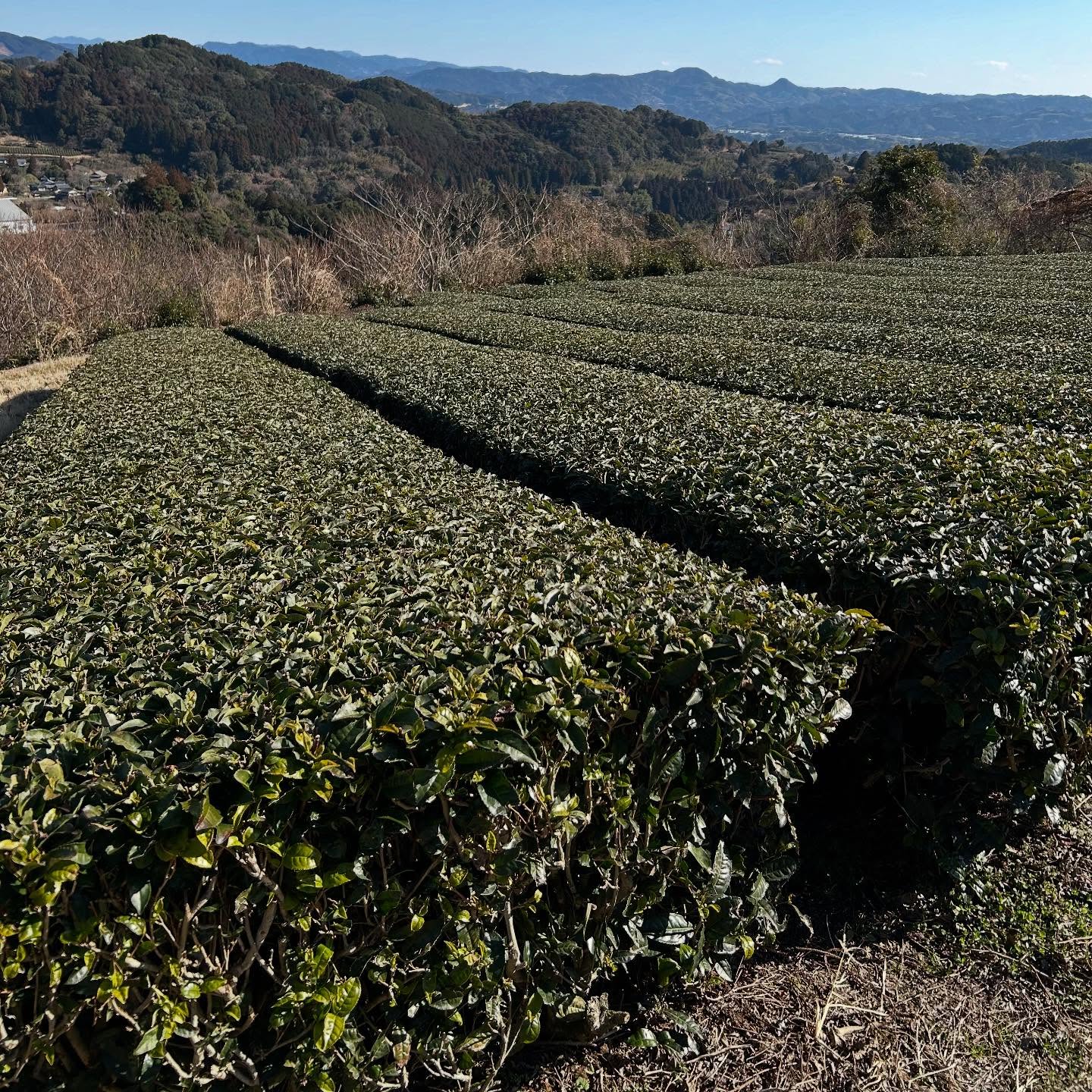
It’s more productive than shizen jitate.
Prune the branches horizontally so that easily harvest with machine.
Most of tea production in Japan is this style.
Some producer makes good quality tea as shizen jitate by carefully adjusting the hight of scissor.
4. Shading methods
Shading is one of the important element for quality matcha.
Reducing sun light, the leaf of tea tree gets wider, thinner with greener color.
Umami is accumulated without converting into bitterness of catechin.
-Direct shading
-Indirect shading
Direct shading
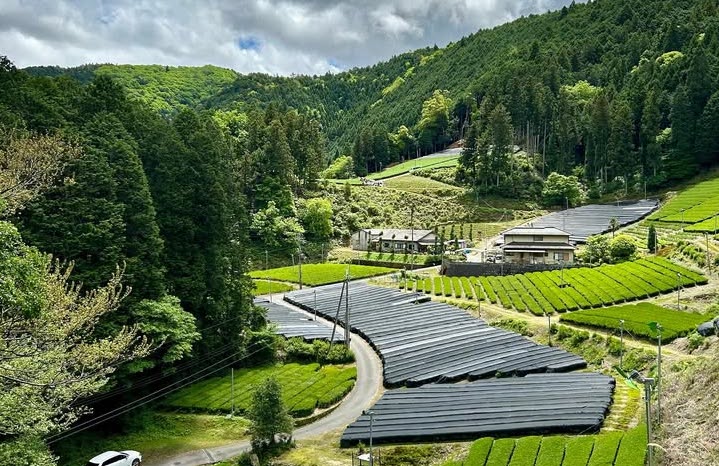 Direct shading is affordable way by covering shading materials like 寒冷紗 Kanreisha.
Less burden and cost because no need to set up the structure.
The quality is dropped because the leaf can be scratched and harder.
Indirect shading
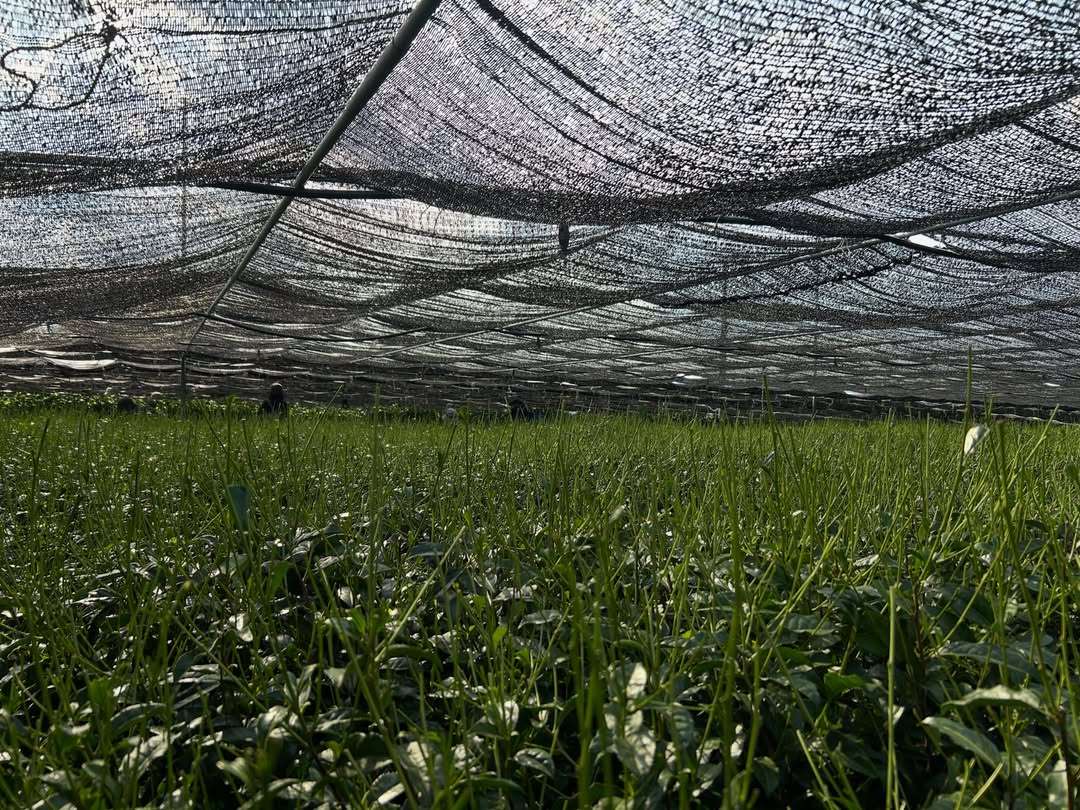 Generally indirect shading produce better quality tea than direct shading.
Tea leaves are not damaged and can control the strength of shading by multi layers.
5. Length of shading
Shading is stressful for tea trees.
If the tree doesn’t accumulate the nutrition, it might be dead by longer shading.
Generally more than 2 weeks shading can be called matcha.
Some producer shade even longer like 30-50 days.
It creates strong umami with rich shaded aroma.
6. Picking methods
There are 3 common picking methods.
-Handpick
-Machine (portable harvest machine)
-Machine (driving harvest machine)
Hand pick
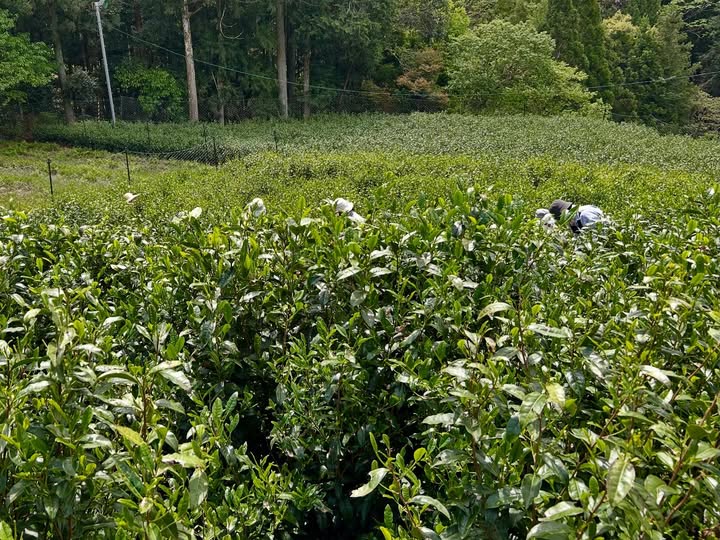
Handpick is mostly for 自然仕立て Shizen jitate tea tree, which is not possible by machine.
One skillful picker can pick around 10-15kg per day.
It’s quite labor intensive and less production.
Therefore it’s only for the highest quality tea.
Machine pick
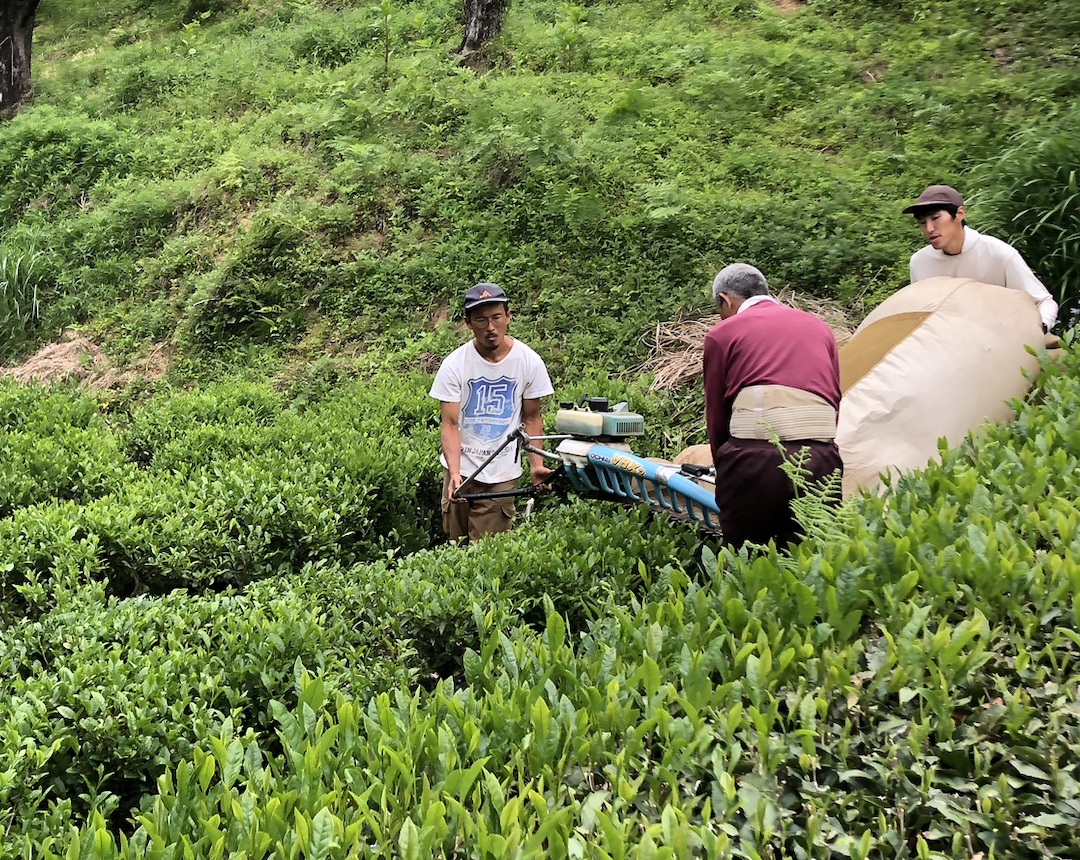
Machine harvest is much more productive.
There is almost no tea farmers who make living only with handpicked tea.
Normally combined with machine harvest.
Less refined than handpick but it’s possible to produce quality tea.
7. Type of 碾茶炉 Tencharo
Tencharo is a dehydrator of tea which looks like oven with conveyor belt.
There are mainly 2 types of tencharo.
-Traditional style
-Simplified style
Traditional style
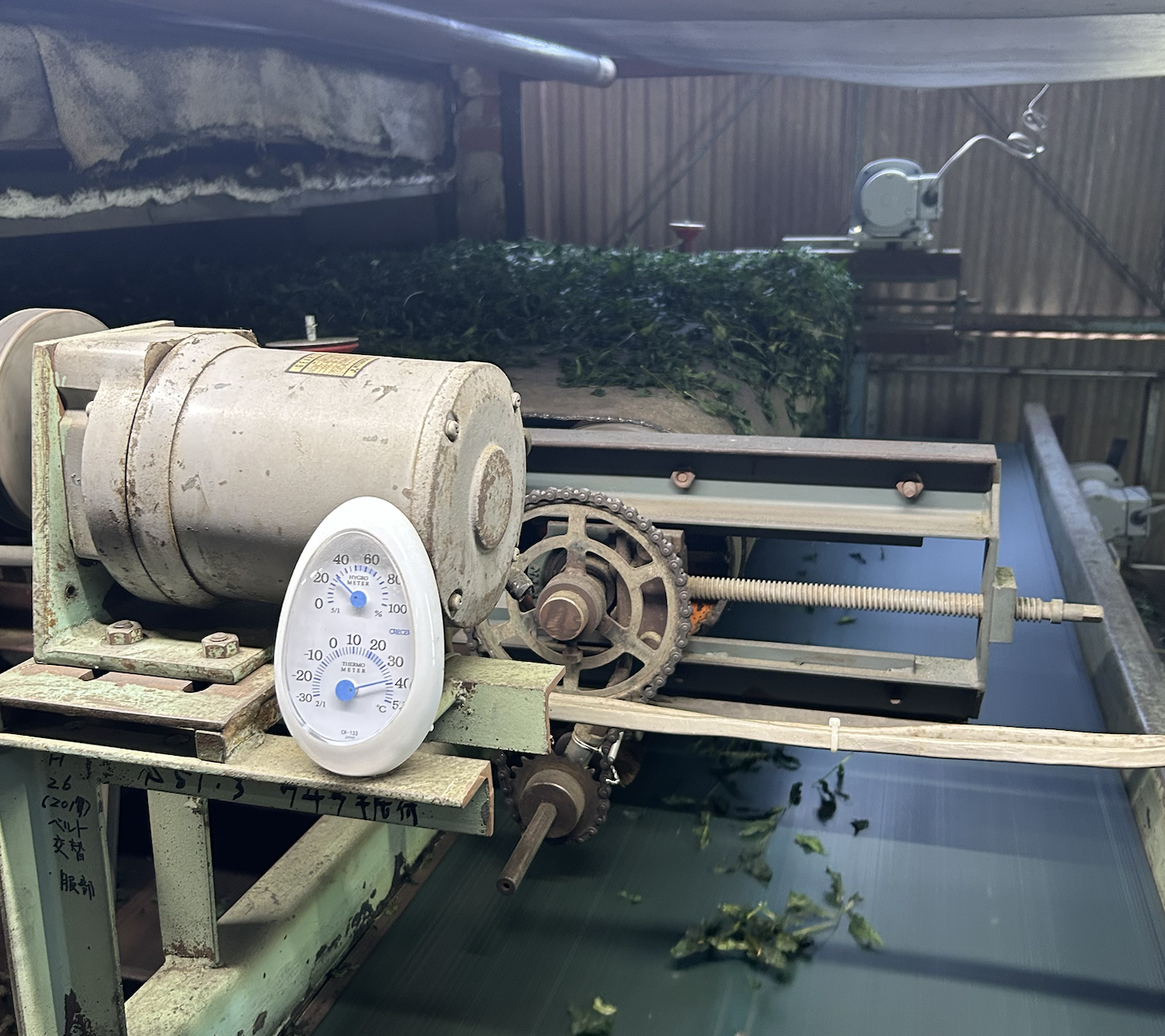 It’s called 堀井式碾茶炉 Horii style tencharo in Uji and 三河式碾茶炉 Mikawa style tencharo in Aichi.
These tencharo dries the tea leaves with relatively high heat which create complex flavors by maillard reactions like nutty, sweet, floral, seaweed etc.
Simplified style
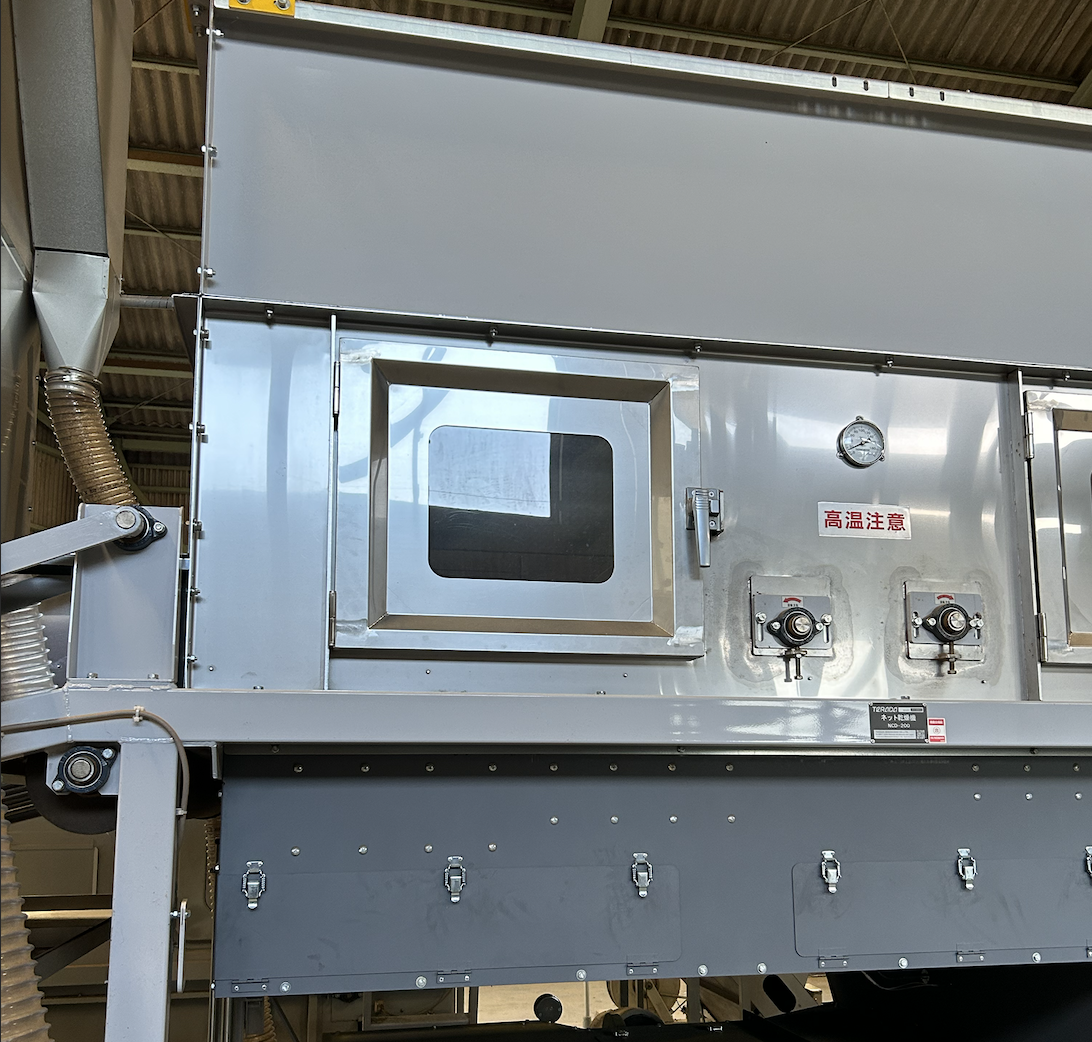 It’s called 簡易式碾茶炉 simplified tencharo.
Since the cost for building and consumption of energy is lower than traditional style.
New matcha producers choose this style.
Can produce matcha reasonably but the quality is not as high as traditional style tencharo.
The heat is not enough and there can be unpleasant greenish, glassy aromas.
8. Grinding methods
Grinding methods are mainly 3 types.
-Stone mill
-Ball mill
-Jet mill
Stone mill
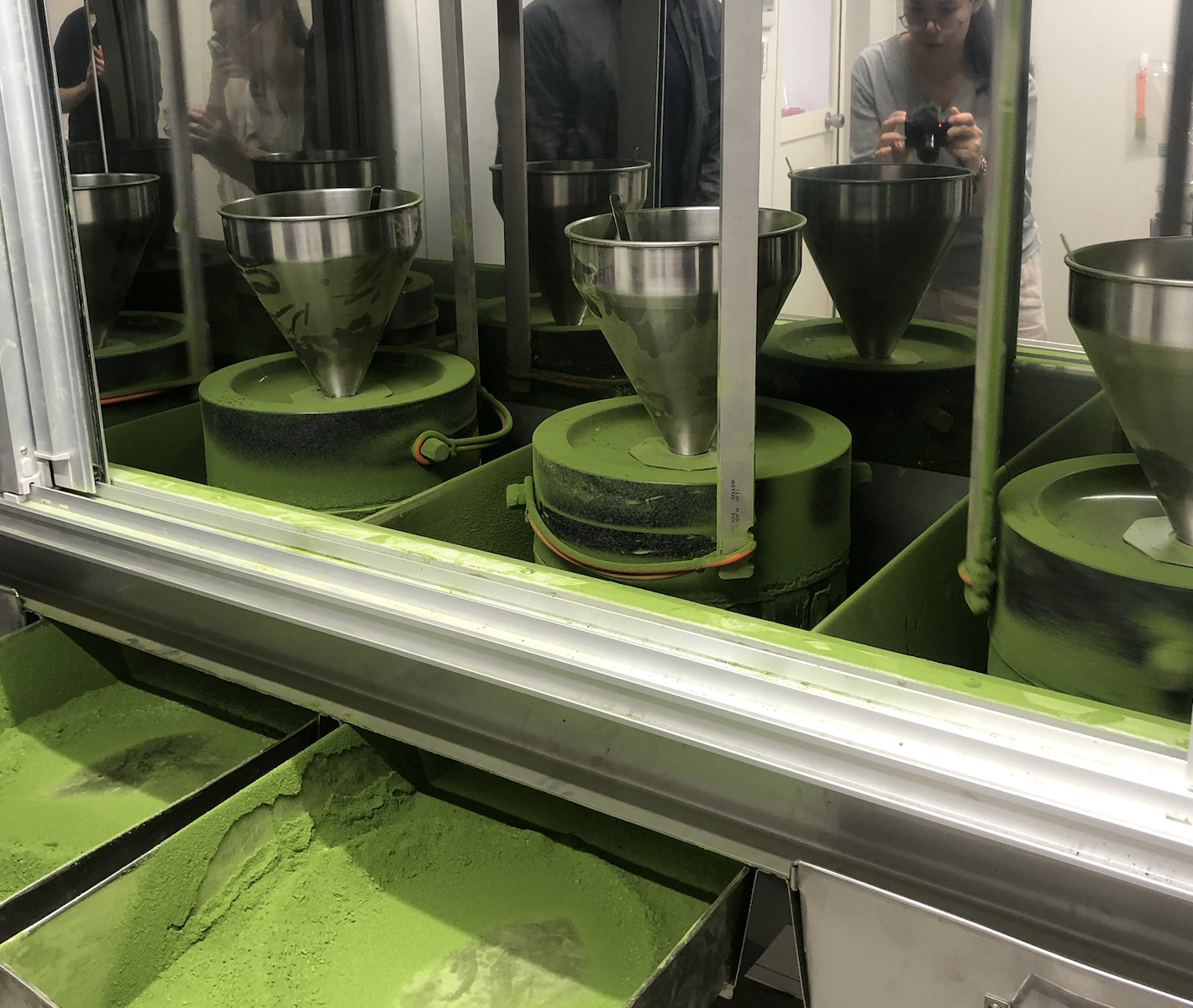 Traditional grinding methods.
The material is granite stone.
Grind only 40g per hour.
The benefits of using stone grinder are
-Creates smooth and creamy texture of matcha
-The colors are preserved because the stone is not overheated
-Roasty flavors is added called 挽き香 Hikikou (Grind aroma)
Ball mill
Grind in rolling machine with small stones.
More production than stone mill.
But the texture, flavors are not as same as stone grinder.
Jet mill
For massive scale of production.
It crush the leave with air pressure.
It’s powerful and grind many varieties of materials like roasted tea, old leaves as well as soft young leaves.
Quite fine powder but flavors are relatively weak.
How to use the quality standards
When you buy matcha, you can check the each points.
If matcha is
1.Area: Uji, Kyoto
2.Cultivar: Asahi
3.Shitate methods: Shizen jitate
4.Shading methods: Indirect shading (寒冷紗 kanreisha, 2 layers)
5.Length of shading: 30-40 days
6.Picking methods:Handpick
7.Type of 碾茶炉 Tencharo: Traditional (Horii style tencharo)
8.Grinding methods: Stone grinder
The matcha tend to be high quality like serving as Usucha and Koicha.
If matcha is
1.Area: Kagoshima
2.Cultivar: Yutaka midori
3.Shitate methods: Une jitate
4.Shading methods: Direct shading (寒冷紗 kanreisha, 1 layer)
5.Length of shading: 14 days
6.Picking methods:Machine pick
7.Type of 碾茶炉 Tencharo: Simplified tencharo
8.Grinding methods: Jet mill
The quality can be for latte and bakery.
Smart consumer supports quality producers
If you have knowledge and decent criteria of choosing the products, you can buy matcha at the fair price.
As the result it’ll help the quality producers continue making matcha.
Since matcha is global trend there are many products called matcha but the quality is not credible at all.
It’s too cheap to produce with the authentic methods of matcha cultivation and processing.
If you want to keep having tasty matcha to the future, let’s share the knowledge from this article to your close friends.
Pick up products
Matcha for Latte & Sweets

Matcha made by top craft producer "Tsujiki"

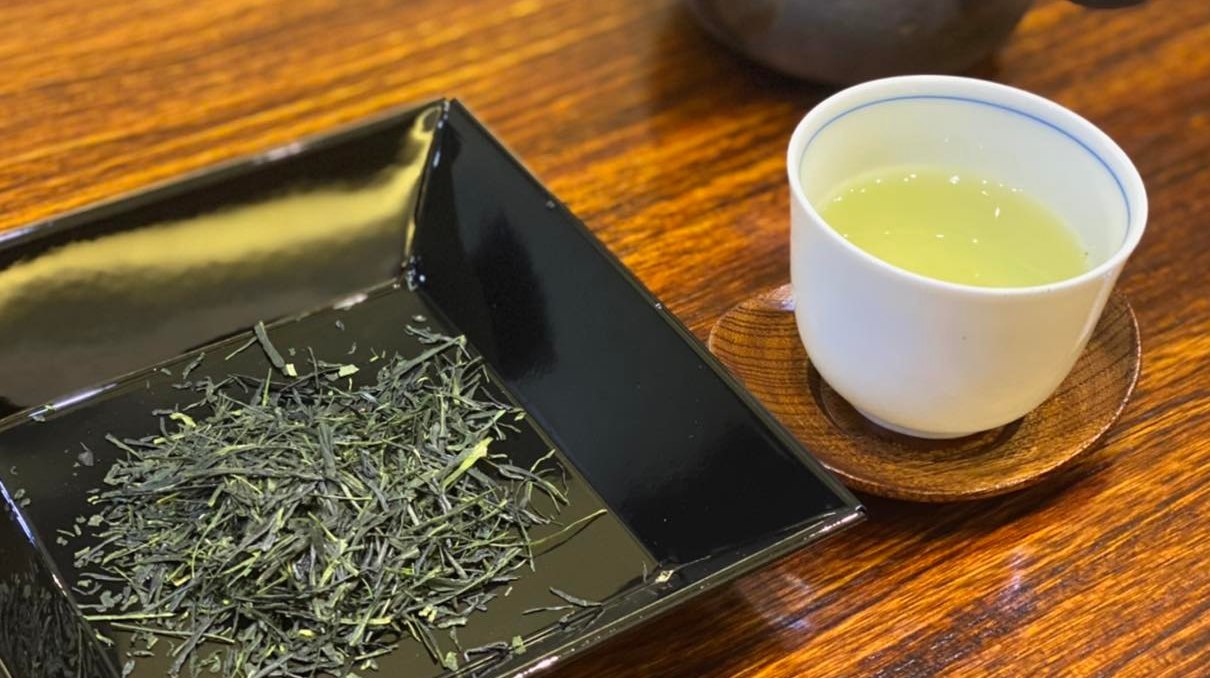
"Sencha" Signature Japanese tea with unique green aromas
For all products you can check on LINE shop.

Contact for the latest updates
There are more special products about Japanese tea and matcha. Feel free contact us.