Matcha grading system and quality evaluation.
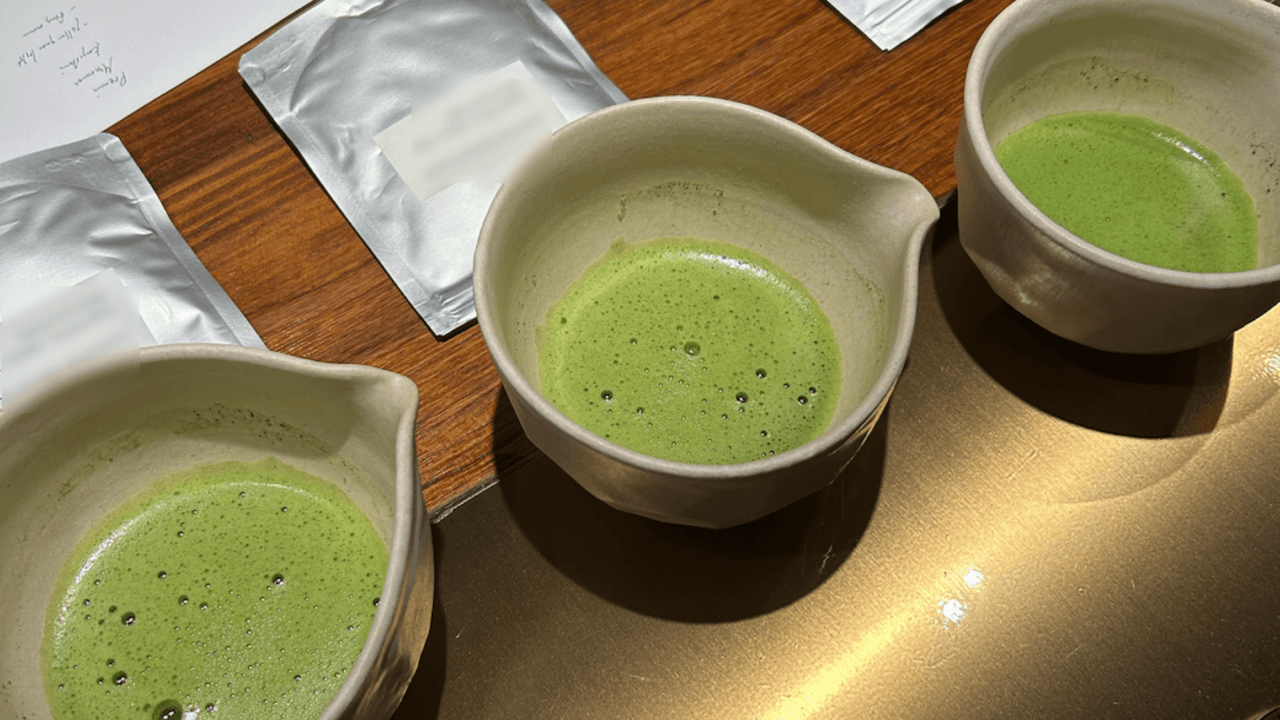
Since matcha is getting popular beverage it’s more important to provide the clear standard.
Here’s the guidelines of quality evaluation based on our practical experience.
Matcha Grading system
It’s quite simple.
You taste and judge how thick you can drink the matcha.
-Koicha
-Usucha
-Ice matcha
-Latte
-Bakery
Ice matcha to Bakery is our original standards.
We provide our tea based on the grading system.
For example, if you can drink matcha as thick for usucha but it’s difficult to drink for Koicha, it’s usucha grade.
It doesn’t mean you can only use for Usucha.
You can use up to usucha.
It’s fine to use for ice matcha, latte, bakery, too.
The recipe
–Koicha, Usucha, Ice matcha
–Matcha Latte
濃茶 Koicha
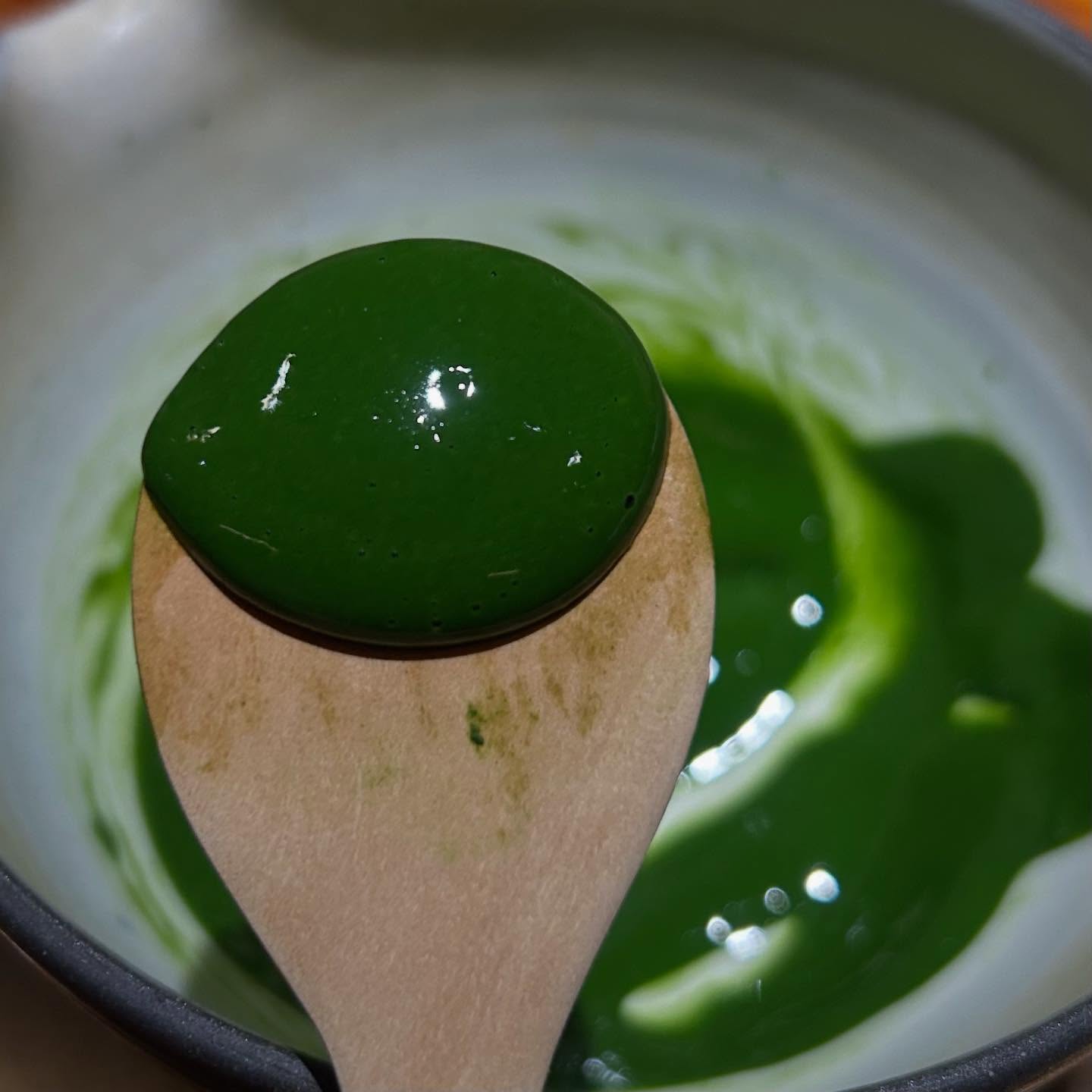
Koicha is the most formal tea for tea ceremony.
It looks like matcha paste.
The ratio can be around 1g matcha & 10g water.
If you can drink the matcha for koicha, it must be the highest quality.
薄茶 Usucha
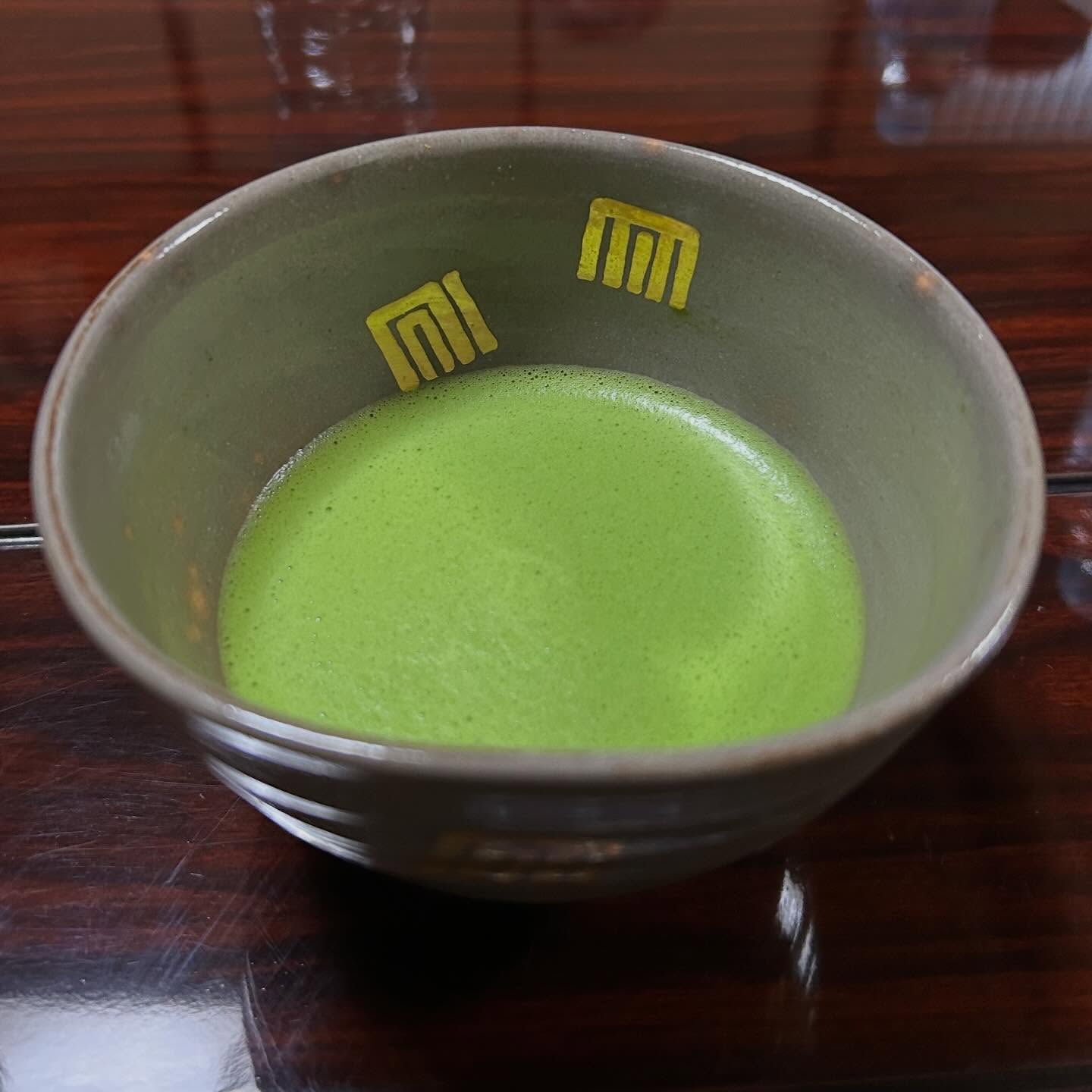
Casual style drink for tea ceremony.
The ratio can be around 1g matcha & 30g water.
This has slightly more bitterness than Koicha grade but it’s still good matcha.
Ice matcha
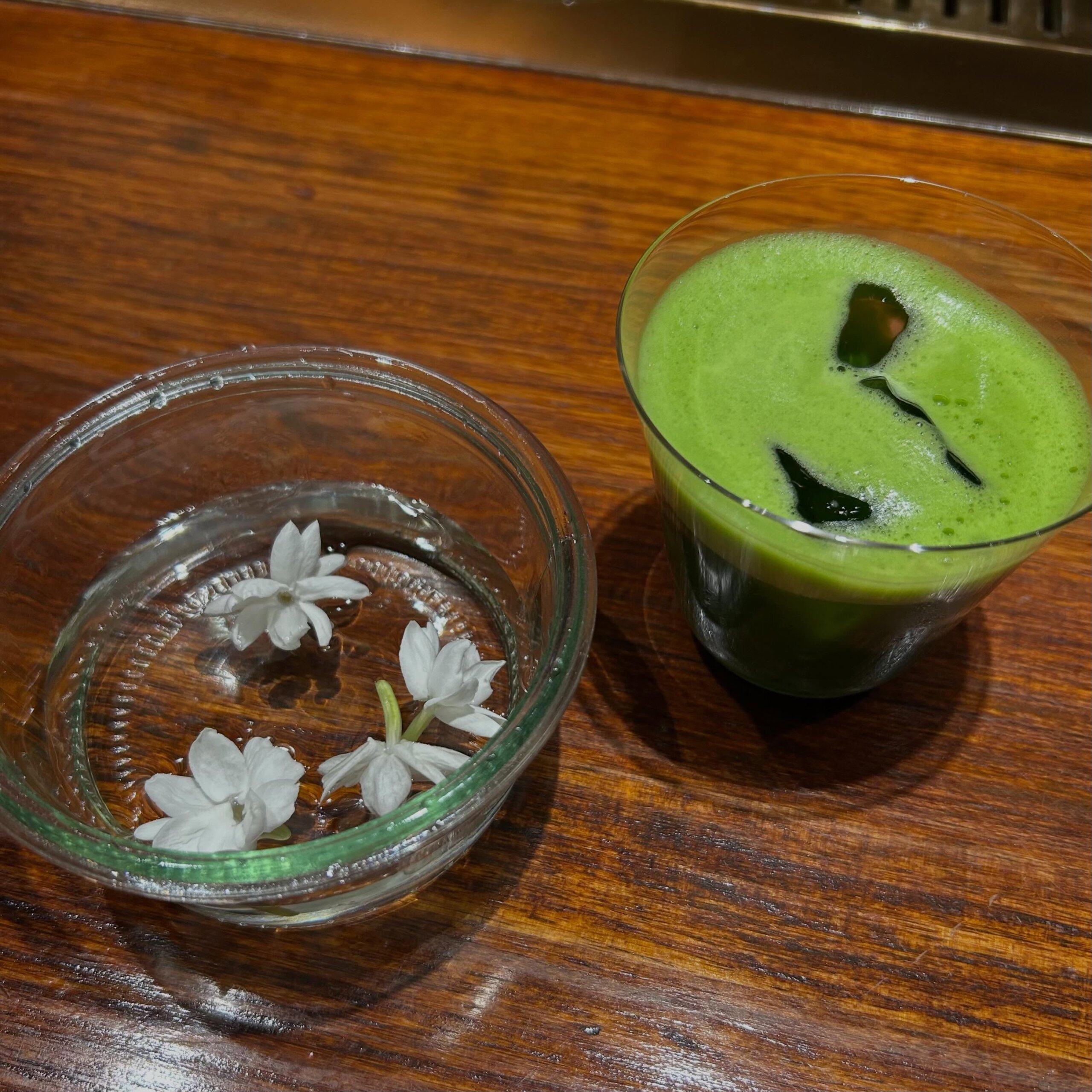
Ice matcha is more diluted version of usucha adding more water and ice.
The ratio is 1g matcga & 40g water + Ice
It’s cool and refreshing with green flavors of matcha and slight kick of bitterness.
Latte
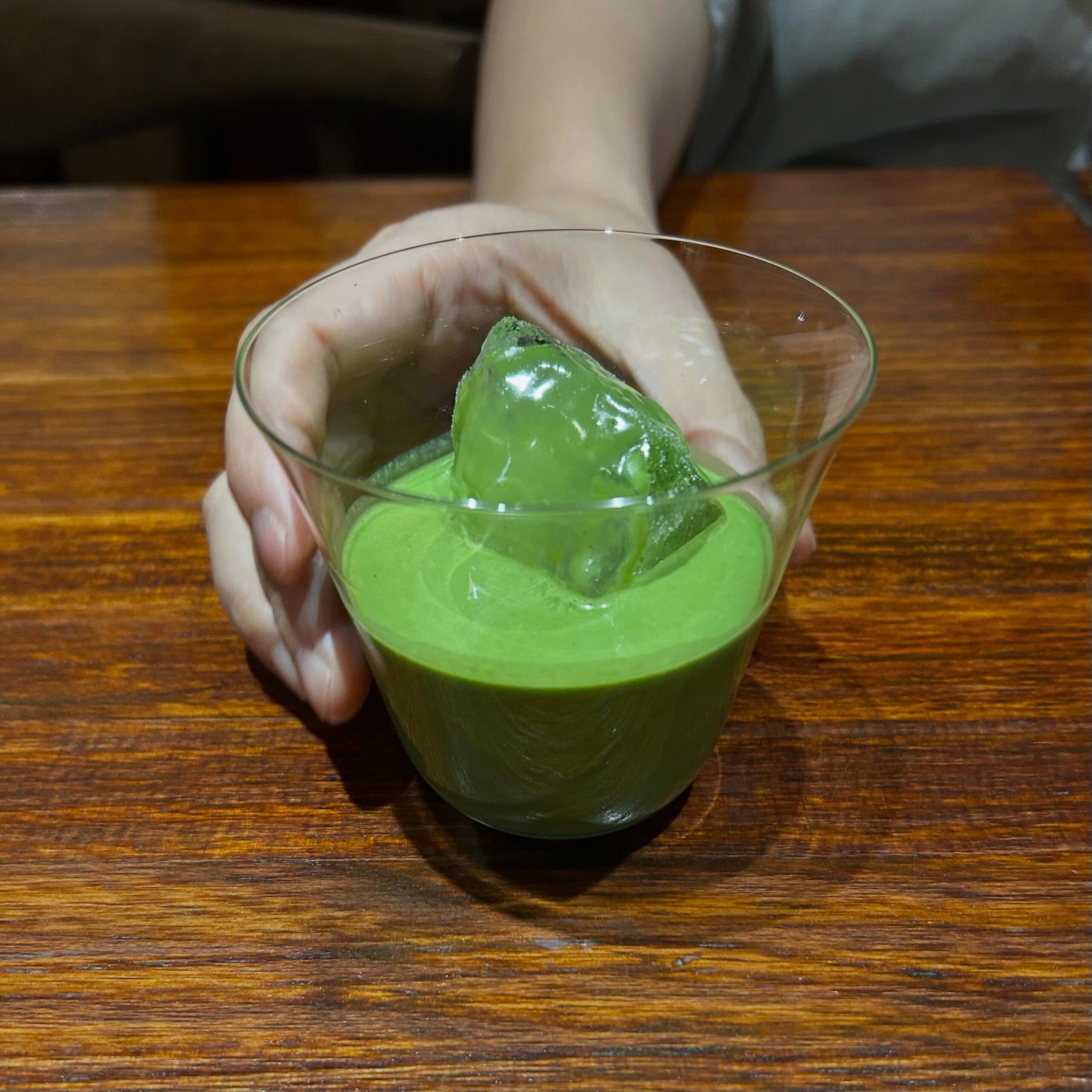
Latte grade is for mixed beverage with matcha.
It’s difficult to drink pure, which means only with water.
But it can be balanced with milk, sugar, syrup, coconuts water, fruits juice etc.
The ratio is 1g matcha & 30g water + sweetner.
Bakery
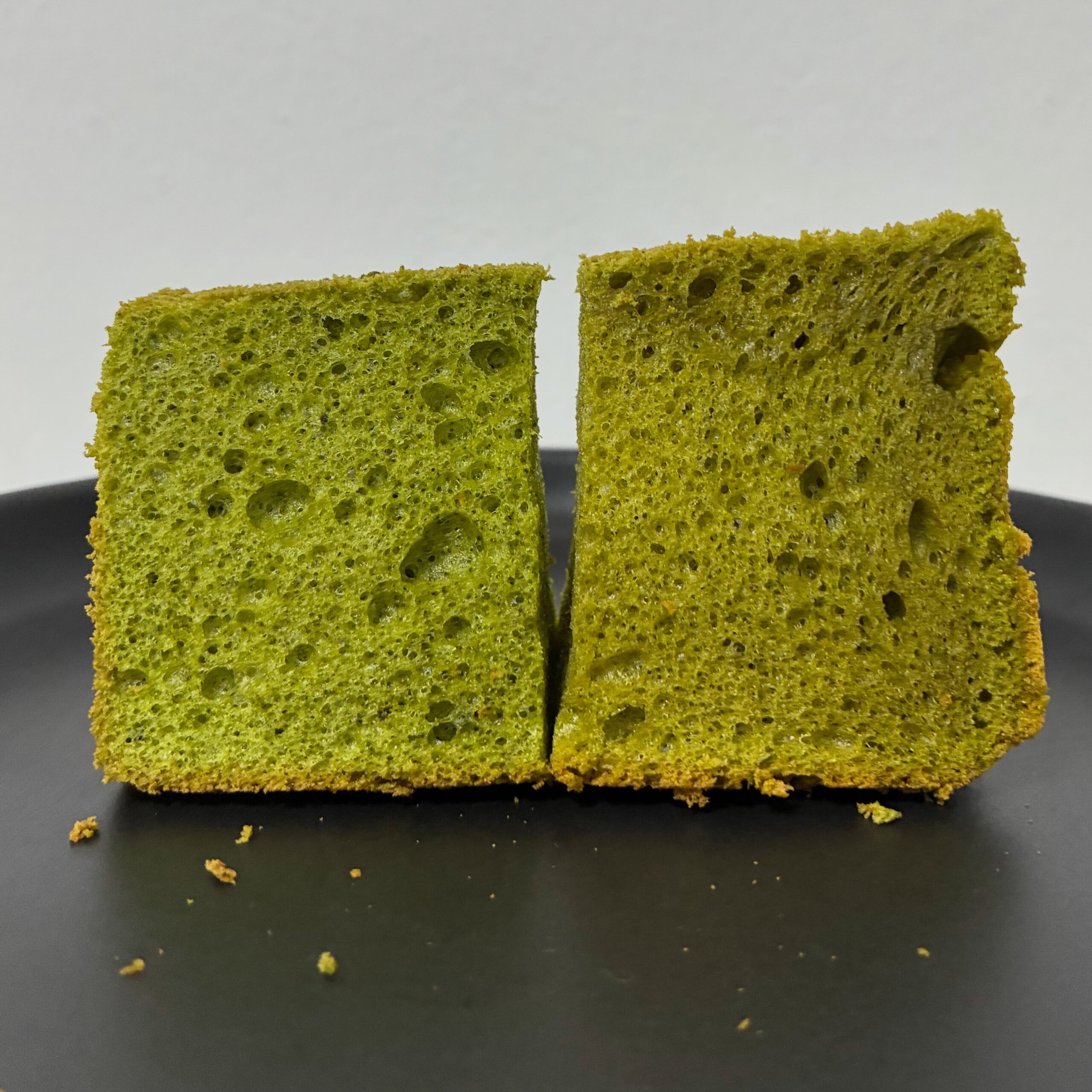
Bakery grade matcha is the lowest quality.
It’s even difficult to use for latte.
For making sweets or breads many ingredients are mixed like milk, flour, sugar, egg etc.
Slight flavor of tea and color but not so much.
Grading is up to seller
Traditionally there’s no grading standard.
In old time tea seller in Uji, Kyoto categorize only with Koicha and Usucha.
Each seller has different standard.
They might use unclear term like “ceremonial grade” to mislead the consumers.
There’s one recommended way to ask the seller.
“How thick you can drink the matcha?”
“Koicha, Usucha, Ice matcha, Latte, Bakery?”
Even if the seller can tell lies, the tea cannot tell.
Matcha quality evaluation
For matcha there’s no standardized evaluation system.
In tea competition like 品評会 hinpyoukai the tea is judged as 碾茶 tencha (tea flakes before grinding).
However the cupping guidelines are necessary in practice.
Based on the paper by tea research center in Kyoto we’ve built the our evaluation methods.
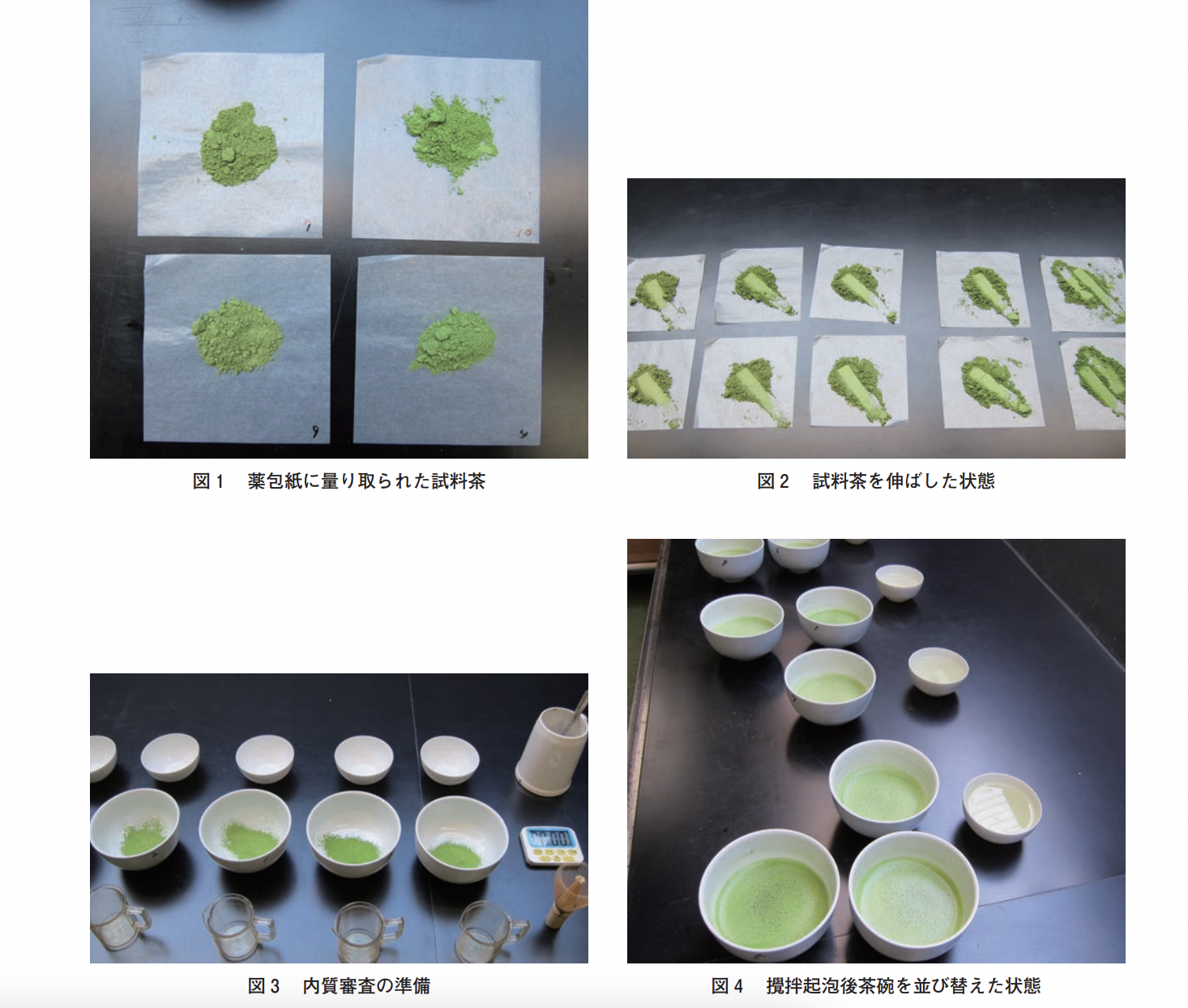
Sensory Evaluation of Matcha (Japanese)
https://www.jstage.jst.go.jp/article/cha/2022/134/2022_31/_pdf/-char/en
4 points to see in evaluation
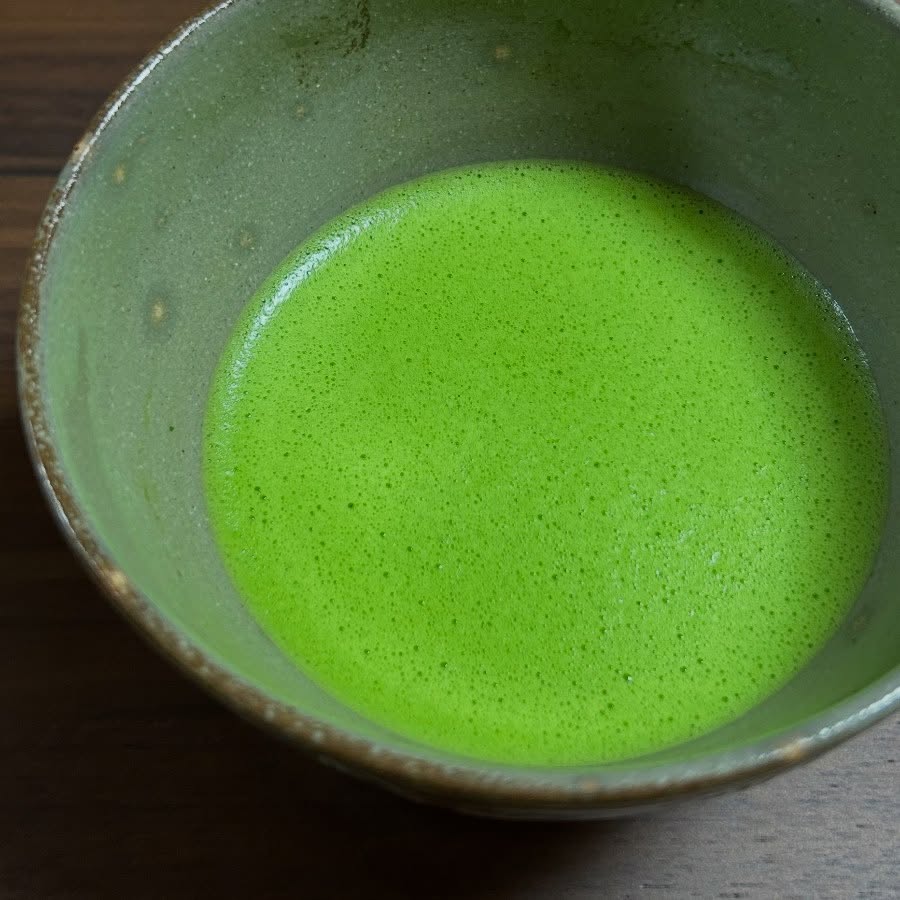
If you know the points to see, matcha evaluation is easy.
-Color
-Particles
-Bubbles (making foam & stability)
-Tastes & Flavors
Color
As long as it’s 100% matcha the color is the most helpful signal of quality matcha.
Blight green with slight blue nuance (Blueish green) is found in top quality matcha.
The other color like dark, red, yellow, white (pale) might be because of any defects.
Particles
Smoothness indicates the softness of leaves.
Quality leaves are young and soft.
Grind with 石臼 Ishi usu (stone grinder) also contribute to the creamy texture.
If the leaf is old and hard, there are particles left on the tongue regardless of grinding methods.
Bubbles
Tea contains saponin which generate bubbles while whisking.
High quality matcha contains more pectin.
It stabilizes the foam and creates creamy texture.
For low quality matcha it’s harder to make foam and bubbles are rough and easily broken.
Tastes & Flavors
Quality evaluation is not if you like it or not.
But if it’s well made and has characters as quality matcha.
Quality matcha has richer umami, sweetness.
Less bitterness, astringency.
Complexity like green, vegetal, nutty, sweet.
Flavor of dried seaweed, which is so called 覆い香 Ooika.
Low quality matcha has less umami, sweetness.
More bitterness, astringency.
Uncomfortable aromas from defects like grassy.
Shallow taste and less complexity of flavors.
Example of good & bad matcha
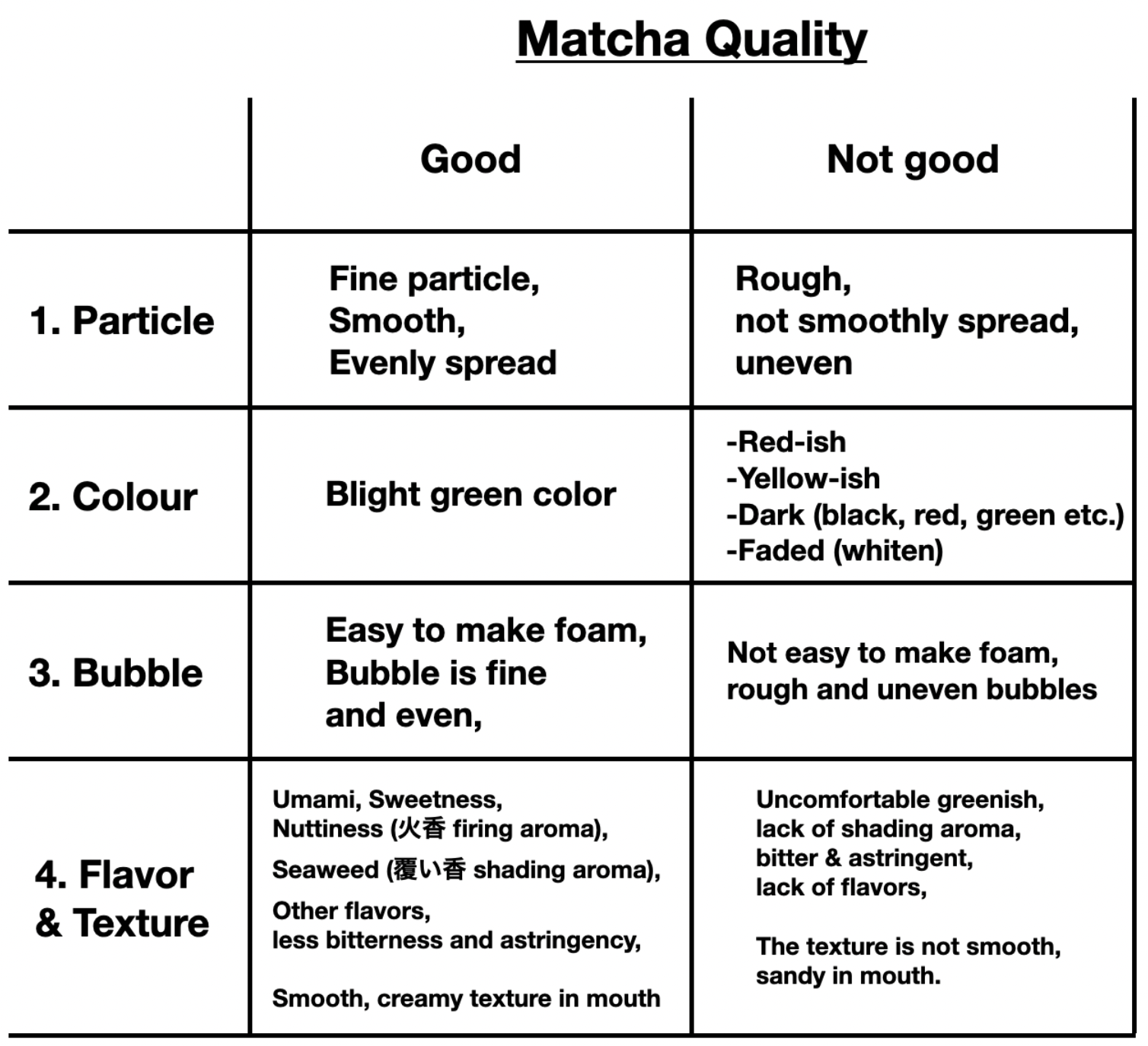
This chart is example of good & bad matcha.
Cupping 碾茶 tencha is better for learnings
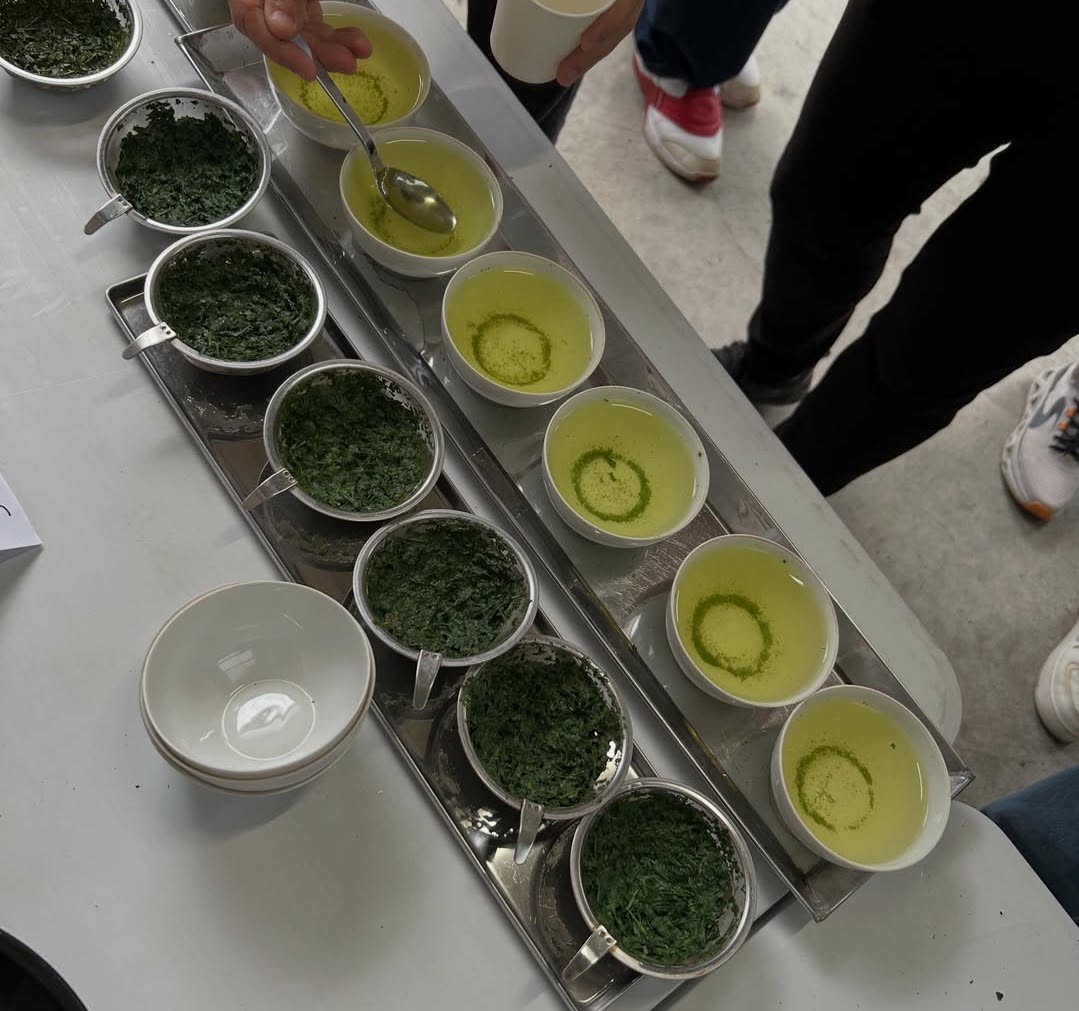
For telling the quality evaluation as matcha (powdered tea) is enough.
But if you want to know the background information, cupping with 碾茶 tencha is much more helpful.
To improve the evaluation skill it’s highly recommend to relate the tea quality and background information.
You’ll be able to think “why the tea taste happened?” and “which parts of procedure caused the problem?”.
Instruments of matcha evaluation
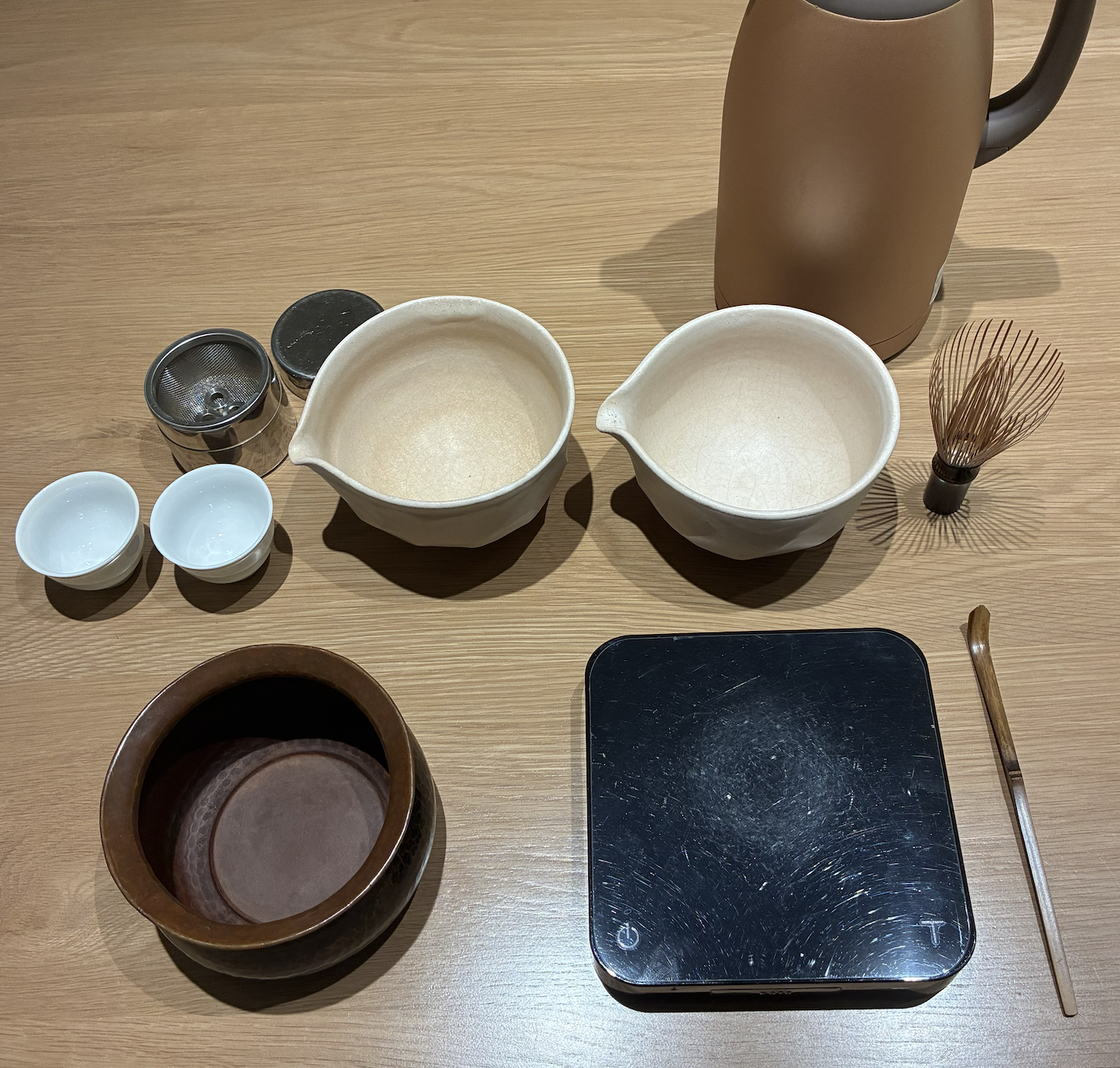
-片口 Katakuchi (matcha bowl with spout)
-Tea spoon
-Sifter
-Kettle
-茶筅 Chasen (tea whisker)
-Scale
-Tasting cup
-建水 kensui (container to throw tea)
Align the conditions of cupping
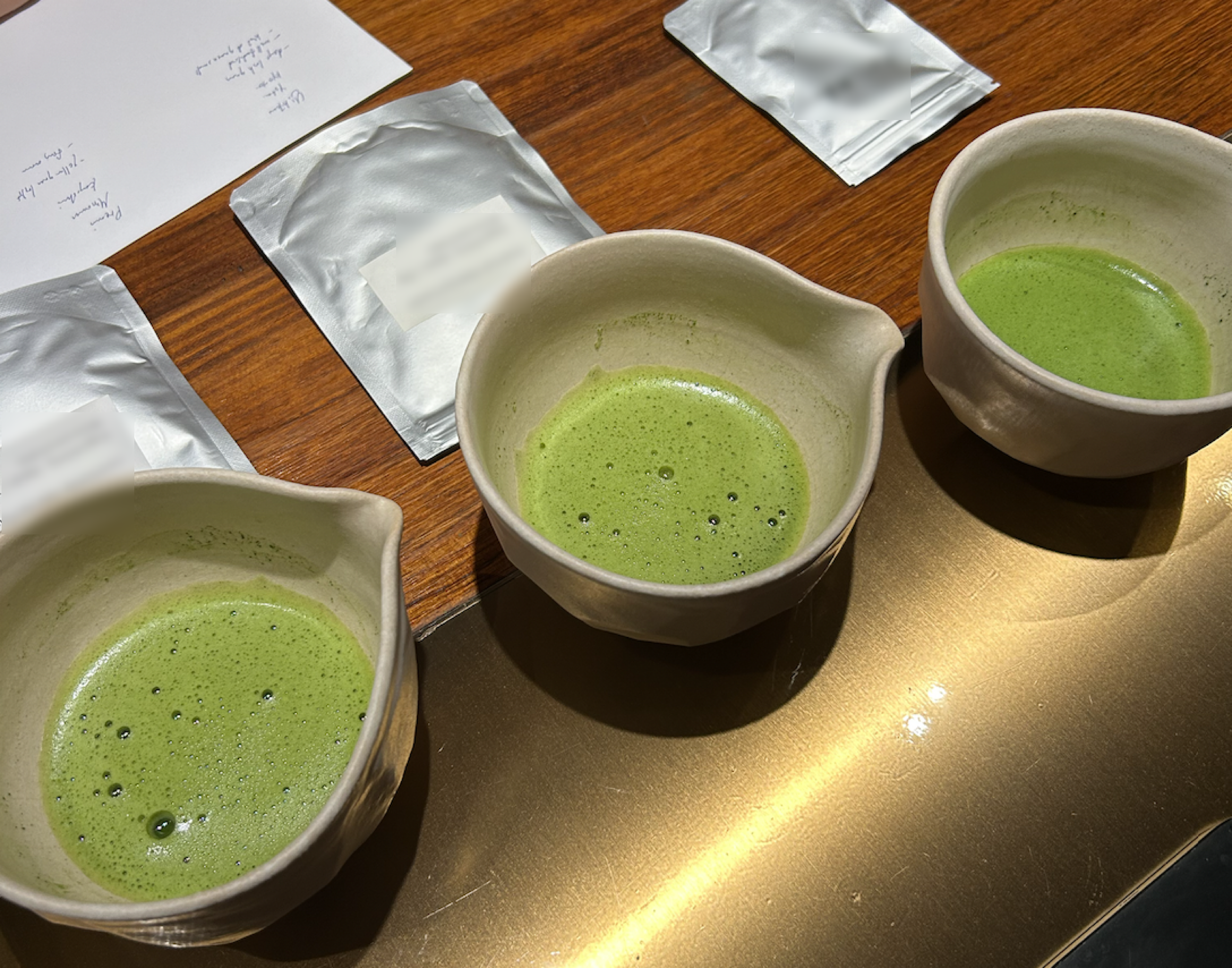
Important point of tea evaluation is to align the condition of each tea to make it’s comparable.
-Same size of matcha katakuchi
-Amount of matcha
-Temperature of water
-Amount of water
-Time for extraction
For our standard methods.
-Same size of matcha katakuchi
-Amount of matcha: 3g
-Temperature of water: 80 degree celsius (boiled water chilled in 湯冷まし yusamashi)
-Amount of water: 90g
-Time for extraction: whisk 20 seconds
Whisked by the same person.
Procedures
1. Sift matcha into katakuchi bowl (3g). Check color.
2. Pour hot water (80 degree celsius) 90g and whisk (20 secs).
3. Check the foam, color.
4. Tasting to see particles, tastes & flavors.
5. Judge tea with grading (Koicha, Usucha, Ice matcha, Latte, Bakery)
This ratio is for usucha.
It’s difficult to finish drinking below usucha quality tea.
But the purpose of evaluation is judging the quality, not drink tasty tea.
Pick up products
Matcha for Latte & Sweets

Matcha made by top craft producer "Tsujiki"

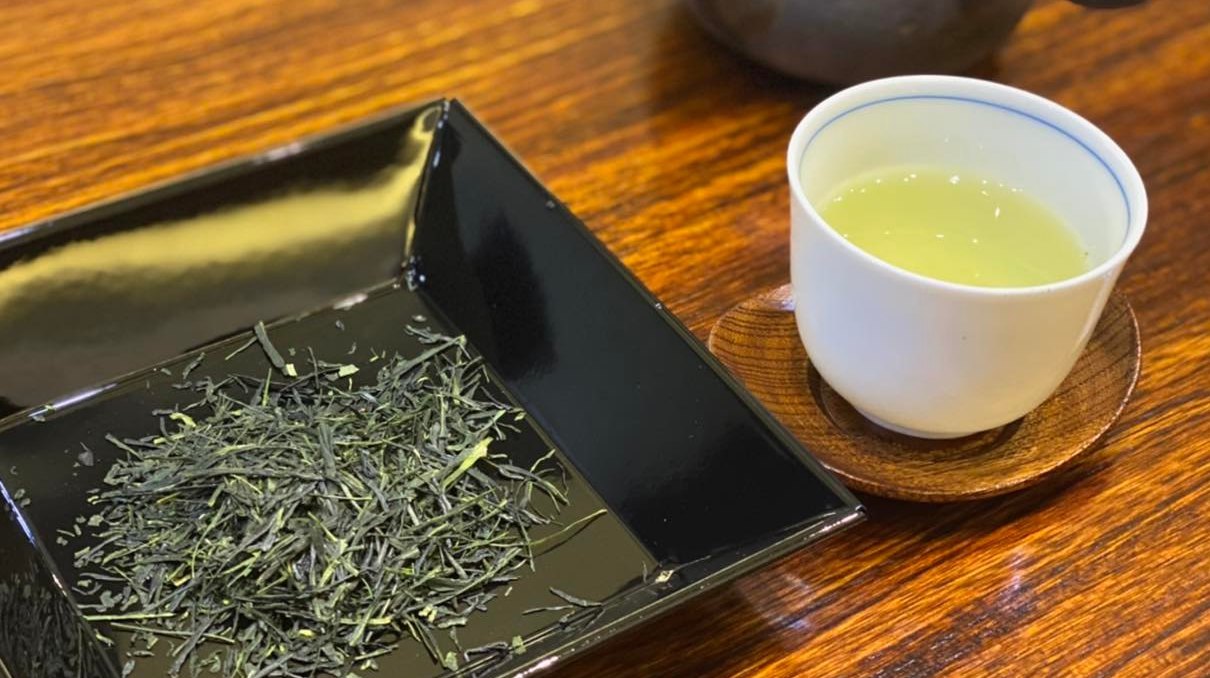
"Sencha" Signature Japanese tea with unique green aromas
For all products you can check on LINE shop.

Contact for the latest updates
There are more special products about Japanese tea and matcha. Feel free contact us.